A Multilingual International Education for a Globalised Future.
Global. Inclusive. Independent.
Welcome to the International German School Hefei
IGS Hefei is a multilingual school community for children from 12 months to Grade 12. Small enough to know every child and open to the world, we support and challenge every learner from Pre-Kindergarten through Primary and Secondary to the internationally recognised Cambridge IGCSE.
Our programme combines child-centred early-years education, the German tradition of independent learning and care for the whole child, and the structure and external benchmarks of the Cambridge International curriculum. Every child’s progress is measured against international standards, and their wellbeing matters to us as much as their results.
Whether your family has just arrived from Germany or another country, or has lived in Hefei for years, we help your child settle quickly, grow up with several languages and become confident, responsible and independent – ready for the next step, wherever in the world it leads.
We look forward to welcoming you to our community.

Acting Head of School
Message from the Head of School
Dear families, dear visitors,
Every student deserves to be taken seriously and to be heard. That is why individual attention and systematic support define our approach at IGS Hefei: clear structures, regular feedback and targeted help wherever it is needed. Just as importantly, we want our students to become confident and adaptable, ready for a world that changes quickly.
IGS Hefei is a young school with a clear ambition: to build a reputable international school in Hefei that stands comparison with the best. We are small by design and put quality before quantity, knowing that building something lasting doesn’t always follow a straight path and takes time.
It is a privilege to lead this project together with a team of highly skilled and experienced educators. Step by step, we are expanding our programme with new enrichment opportunities, external benchmarks and high academic standards, without losing the warmth, support and compassion that make a school a good place to grow up.
We warmly invite you to become part of this project and our community. Please visit our campus, meet our teachers and see for yourself how we work towards our goals. We look forward to welcoming you.
Tobias Steier
Acting Head of School
MISSION STATEMENT
In a multilingual community, we know, support and challenge every learner. We measure progress against international standards and care for each child’s wellbeing as much as for their results. Our students learn to see issues from more than one perspective and to act with the wider world in mind, growing into confident, responsible and independent people, ready for the next step wherever in the world it leads.
SCHOOL PROFILE
A World of Learning Awaits.
IGS Hefei offers a continuous educational programme from Pre-Kindergarten to Grade 12, guided by one clear purpose: to develop multilingual learners who thrive academically, socially and emotionally in an interconnected world. Our academic programme draws on the Cambridge International curriculum and on German educational standards.
Languages are the academic spine of the school. Children grow up in a multilingual environment from their first day with us, and from Grade 5 learners add a further foreign language. Language progress is benchmarked externally and regularly, at the level each learner is ready for: in English, either through the Pearson English International Certificate (PEIC) or through Cambridge English Qualifications such as A2 Key (KET) and B1 Preliminary (PET). As an accredited Pearson and Cambridge test centre, IGS Hefei enables families to see how their child’s languages develop at every stage.
Measured against the best. External benchmarks run through the whole programme. Cambridge Checkpoint gives an independent picture of achievement at key stages, and Grades 9 and 10 lead to the Cambridge IGCSE, which is one of the most widely recognised qualifications for 14- to 16-year-olds worldwide.
Every learner is known. Small classes, language support in English (EAL) and German (DaF) and a structured learning support system make sure that every child – including those who join with limited English or German – receives the help they need to follow lessons confidently.
Beyond the classroom, our ABRSM music programme, our football school in official partnership with VfL Wolfsburg and a broad range of extra-curricular activities support the balanced social and personal development of every learner.

Internationally Benchmarked Curriculum
Multilingual Learning & Language Certification
Music, Sport & a Balanced Curriculum
Learning to Learn Independently
Inclusive Language & Student Support
International-Mindedness & Intercultural Learning
PROGRAMME
GUIDING EACH STEP OF THE EDUCATIONAL JOURNEY.
Carefully planned transitions from Kindergarten into Grade 1, from Primary into Secondary and into the IGCSE years make sure that no child gets lost between phases.
PRE-KINDERGARTEN (FROM 12 MONTHS)
Inspired by the Pikler approach, we focus on secure relationships, well-being, exploration, communication, movement, play and emerging independence.
Children experience German and English through daily immersion, with natural opportunities to encounter Chinese throughout the day.
Pre-K children have their own dedicated classroom while sharing selected routines and activities with Kindergarten, supporting connection and a smooth transition.
KINDERGARTEN (AGES 2.9–6)
Our Kindergarten follows a child-centred approach inspired by Reggio Emilia and Montessori. We follow children’s interests, ideas and questions, using them as the starting point for meaningful projects.
Within these projects, children explore, create, ask questions and learn through play and hands-on experiences. Our educators support children in becoming increasingly independent, responsible and active learners.
Our trilingual environment provides 50/50 German-English immersion throughout the day, enriched by natural opportunities to experience Chinese in everyday routines and activities.
PRIMARY SCHOOL
The core subjects – languages, Mathematics and Science – are complemented by Computing, Art & Design, Music, Physical Education, Library time and our ABRSM orchestra programme. Project-based units, in which children research questions, build models, create posters and present their results, alternate with open learning phases using stations and choice tasks, so that children learn early on to organise their own work.
Small groups allow teachers to differentiate tasks and give individual feedback. Three times a week, timetabled language and learning support slots provide targeted help where it is needed. Regular reading times, mental maths routines and reflection circles help children build strong basic skills and good learning habits, and see mistakes as a normal part of learning.
External benchmarks, such as the Pearson English International Certificate or Cambridge English Qualifications and Cambridge Checkpoint at the end of Primary, make progress visible to families and prepare children for the next stage of schooling.
SECONDARY SCHOOL
Expectations rise step by step: learners work with subject-specific materials, complete longer projects and presentations, and learn to take structured notes, revise for tests and organise their work independently. In Social Studies, language lessons and projects they examine questions from different cultural and global perspectives.
CAMBRIDGE IGCSE
The secondary years lead to the Cambridge IGCSE, one of the world’s most widely recognised qualifications for 14- to 16-year-olds. Students take a compulsory core of examined subjects – including English or Chinese as a First Language, a second language, Mathematics, Sciences and History – and choose electives with a STEM, language, social studies or creative emphasis.
IGCSEs are accepted by schools, colleges and universities around the world as evidence of academic ability, and they provide an ideal foundation for advanced programmes such as the IB Diploma. Throughout the IGCSE years, regular feedback, study-skills sessions and individual counselling help students reach their best possible results.
Families planning a return to Germany receive individual guidance on subject choices, as the recognition of IGCSE results in Germany depends on the subject combination and on the regulations of each federal state.
SIXTH FORM PROGRAMME
Our Cambridge IGCSE programme in Grades 9–10 gives students a strong, internationally recognised foundation for this next step. Details on the start of the high school programme will be published here as soon as they are confirmed. Families of students currently in Secondary are welcome to contact us at any time for individual guidance on the options after Grade 10.
*Only schools authorised by the IB Organization can offer any of its four academic programmes: the Primary Years Programme (PYP), the Middle Years Programme (MYP), the Diploma Programme, or the Career-related Programme (CP). Candidate status gives no guarantee that authorisation will be granted. For further information about the IB and its programmes, visit www.ibo.org.
* Show more +STUDENT SUPPORT SERVICES
Learning Support & Additional Learning Needs
Students do not need to fit a single profile to receive support. Some may need short-term help with a particular skill, while others may have identified or emerging special educational needs that require more individualised strategies. Support can include classroom adjustments, targeted individual or small-group work, help with attention and executive functioning, organisation and study skills, behaviour and self-regulation, or focused support in areas such as Mathematics, Science and language.
A Responsive Support Process
Support begins with understanding the learner. Teachers and Student Support staff use classroom observations, learning information, student voice and communication with families to identify patterns and possible barriers to learning. Where additional support is needed, clear goals and strategies can be agreed, implemented and reviewed. Support is adjusted as the student’s needs change, with the aim of helping each learner develop the skills and independence to participate successfully in the classroom.
School Counselling & Wellbeing
School counselling provides students with a safe and supportive space to talk through concerns that may be affecting their wellbeing or school experience. Depending on the student’s age and needs, support may focus on emotional awareness and regulation, coping strategies, friendships and peer relationships, conflict, transitions, behaviour, self-esteem or other social-emotional concerns. Counselling may take place individually or through small-group work and is coordinated with wider school support where appropriate. School counselling is an educational and wellbeing service and does not replace clinical mental-health assessment or treatment.
Working Together with Families & Teachers
Effective support depends on consistency. Student Support Services work collaboratively with classroom and subject teachers so that strategies can be used in everyday learning rather than only during support sessions. Families are included in the process when additional support is planned, and goals, observations and next steps are reviewed together where appropriate. This helps create a shared understanding of what the student needs and which approaches are most helpful.
Working with External Professionals
Some students may benefit from expertise beyond what can appropriately be provided within school. When this is the case, and in collaboration with families, IGS Hefei works with reputable professionals and well-established specialist organisations. External assessment, consultation or specialist recommendations can help the school and family develop a clearer understanding of a student’s needs and coordinate appropriate next steps. The school can also help families understand when further specialist assessment or support may be beneficial.
Safeguarding & Student Welfare
Student wellbeing is supported by clear safeguarding and student-welfare procedures. Concerns about a student’s safety or welfare are handled through the school’s safeguarding processes, with appropriate information sharing and follow-up. This sits alongside, but is distinct from, counselling and learning support and helps ensure that students know there are trusted adults they can approach when they need help.
Support in Primary and Secondary
In Primary, timetabled language and learning support sessions provide regular opportunities for targeted intervention, while classroom strategies and individual support can be introduced according to need. In Secondary, supervised Study Hall, individual check-ins, study-skills support and counselling provide additional structures as students take increasing responsibility for their learning and wellbeing.
Feedback Families Can Rely On
Student support is connected to the school’s wider approach to evidence and feedback. Teachers record observations and progress, support goals are reviewed, and families are kept informed about significant areas of support and agreed next steps. Academic reporting and external benchmarks continue to provide a broader picture of progress, while Student Support Services add context when a learner requires additional help to access learning or thrive at school.
The most valuable gifts we can give a child are love and a good education.
EDUCATIONAL PRINCIPLES
What Guides Us
Fostering an Appreciation for Cultural Diversity

Creating a Welcoming Space for Every Student

Nurturing Well-Rounded Individuals

Expanding Horizons through Real-World Learning

Encouraging Social Engagement and Responsibility
LEARNER PROFILE
Cultivating Your Child’s Full Potential
Confident Communicators
Responsible & Caring
Reflective & Balanced
Innovative Thinkers
Engaged Global Citizens
The work of education is divided between the teacher and the environment.
Maria Montessori
CAMPUS & FACILITIES
Inspiring Learning Environment
Different areas of the school support different types of learning: rooms for science and practical work, spaces for art and music, and flexible areas for group projects, presentations and exhibitions. This allows us to link classroom teaching with experiments, creative work and real-world tasks.
Shared spaces such as the library, the atrium and our outdoor areas are used for cultural events, clubs and community activities, helping students and families to meet, collaborate and feel at home on campus.
Learning & Innovation
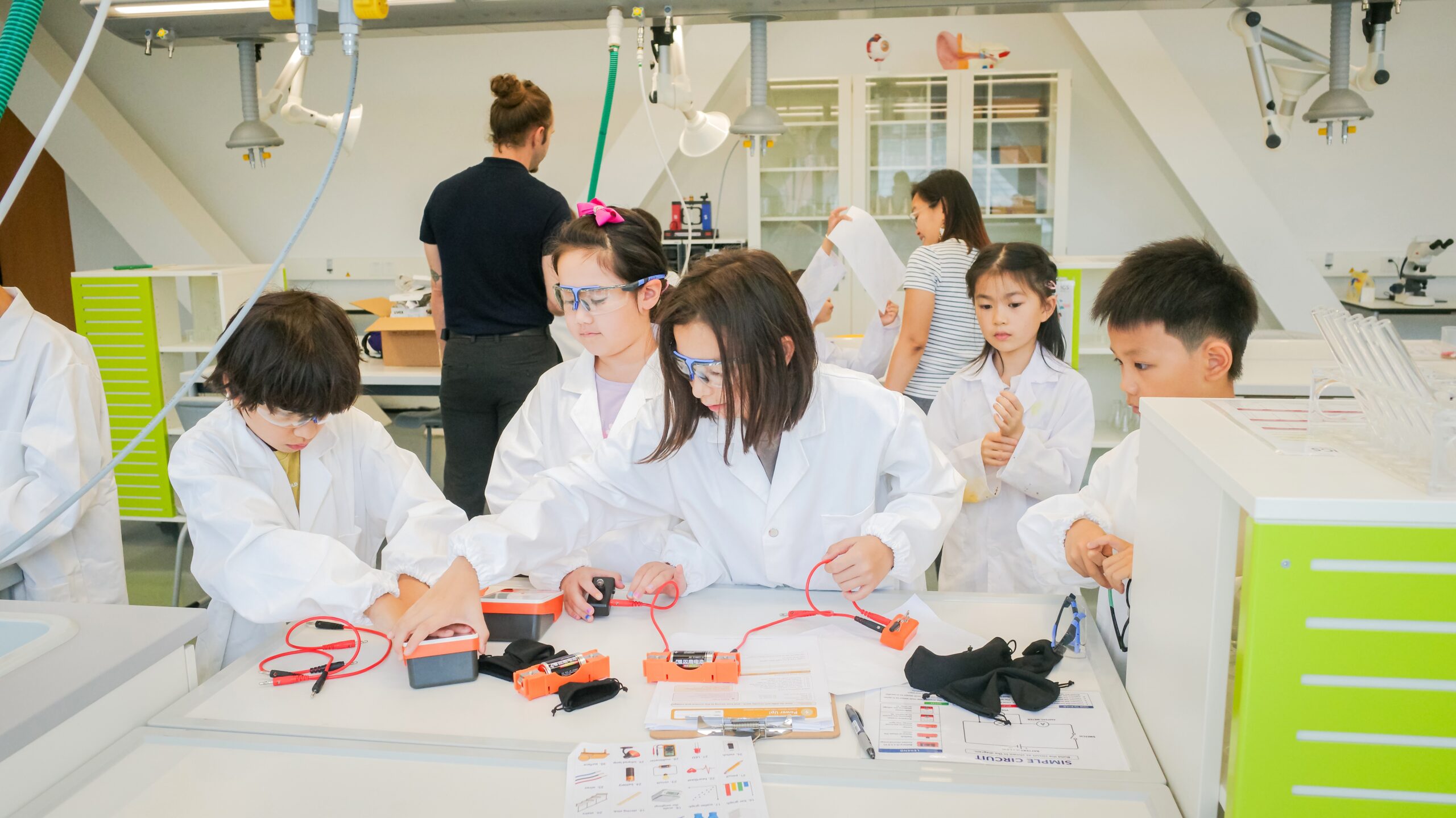
Dedicated science rooms allow students to carry out practical work in Biology, Chemistry and Physics. Lab equipment, safety set-ups and digital tools make regular experiments and STEM projects possible, linking science with mathematics, technology and everyday life.
Classrooms & Digital Tools
Our classrooms are bright, modern and set up for small groups. Each room has a board and a display screen or projector, with access to shared devices and Wi-Fi. Teachers combine books, exercise books and digital tools for research, presentations, quizzes and collaborative tasks, so that technology supports learning without dominating it.


Cultural & Social Spaces
Our theatre seats around 600 people and is used for assemblies, concerts, orchestra performances, plays, parent information evenings and guest talks. A professional stage, lighting and sound system give students regular opportunities to perform and present in front of a larger audience, and the space can be shared with the wider community for selected events.
Arts Studio & Gallery
The arts studio is a bright room with large windows, tables for group work and plenty of storage for materials. Here, students work with paint, clay, drawing and mixed media. Finished pieces are shown in the adjoining display area, so that artwork from all age groups is visible to classmates, staff and visitors throughout the year.
Library & Study Rooms
The school library offers fiction and non-fiction in German, English, Chinese and other languages, along with a cosy reading corner for younger children and quiet tables for older students. Small side rooms can be used for group projects or individual study, making the library a central place for reading and research.
Wellbeing & Community Areas
Our central atrium is a shared space where students and staff meet between lessons, hold small exhibitions and gather for informal events. It is used for class displays, information stands and occasional performances, and gives the school a clear centre where people naturally come together.
Garden & Outdoor Spaces
The campus includes a garden area and outdoor paths where students get fresh air during breaks and where our youngest learners spend time outdoors every day. The terraces on the upper floors provide additional outdoor space for class activities or quiet reading when the weather allows.
Cafeteria
The cafeteria is where students and staff eat lunch together. A rotating menu offers warm meals and a balanced, nutritious diet. We work with families and our provider to take common dietary needs into account and to encourage healthy everyday choices.
Indoor Gym
Our indoor gym includes a marked volleyball court and space for activities such as basketball, badminton and general PE. It is used for regular PE lessons, after-school clubs and small internal tournaments, giving students the chance to stay active throughout the school year.


Accessibility & Transportation
Our campus on Fanhua Avenue has good road connections to key residential areas, parks and cultural sites. Classes regularly use the city for outings so that learning can be linked to the local environment.
School Bus Shuttle
We operate a school bus service on fixed routes with set pick-up and drop-off points. Clear bus rules are displayed for all students, buses are equipped with seat belts, and younger children are handed over directly to a parent or guardian at their stop. Routes are reviewed regularly to keep journeys as short and straightforward as possible.
ENROLMENT
Become Part of Our Learning Community.
NEWS & EVENTS
Highlights from IGS Hefei’s Vibrant Community.
Latest News
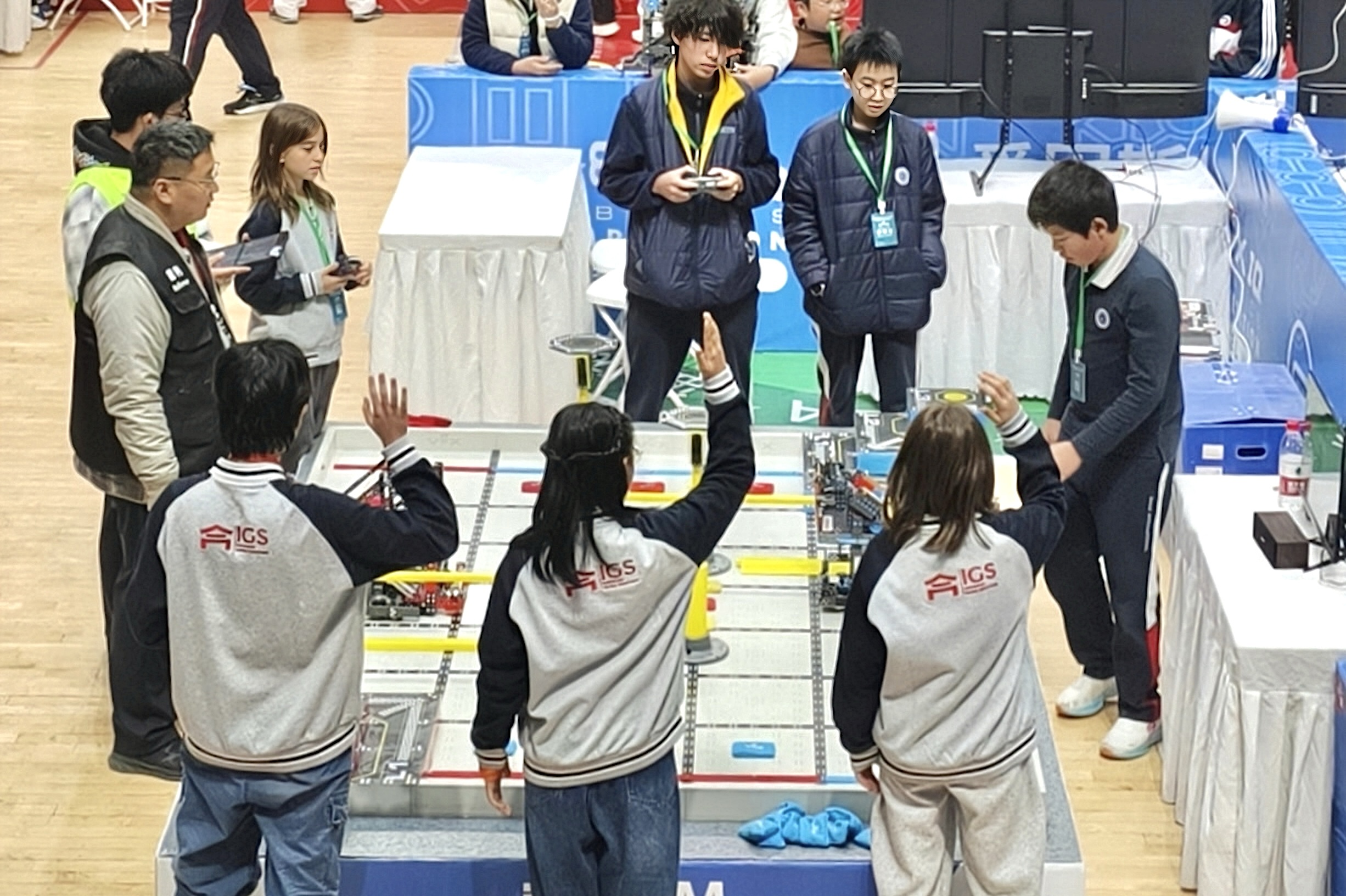
From the Maker Space to Xi’an: IGS Robotics Team Finishes Eighth
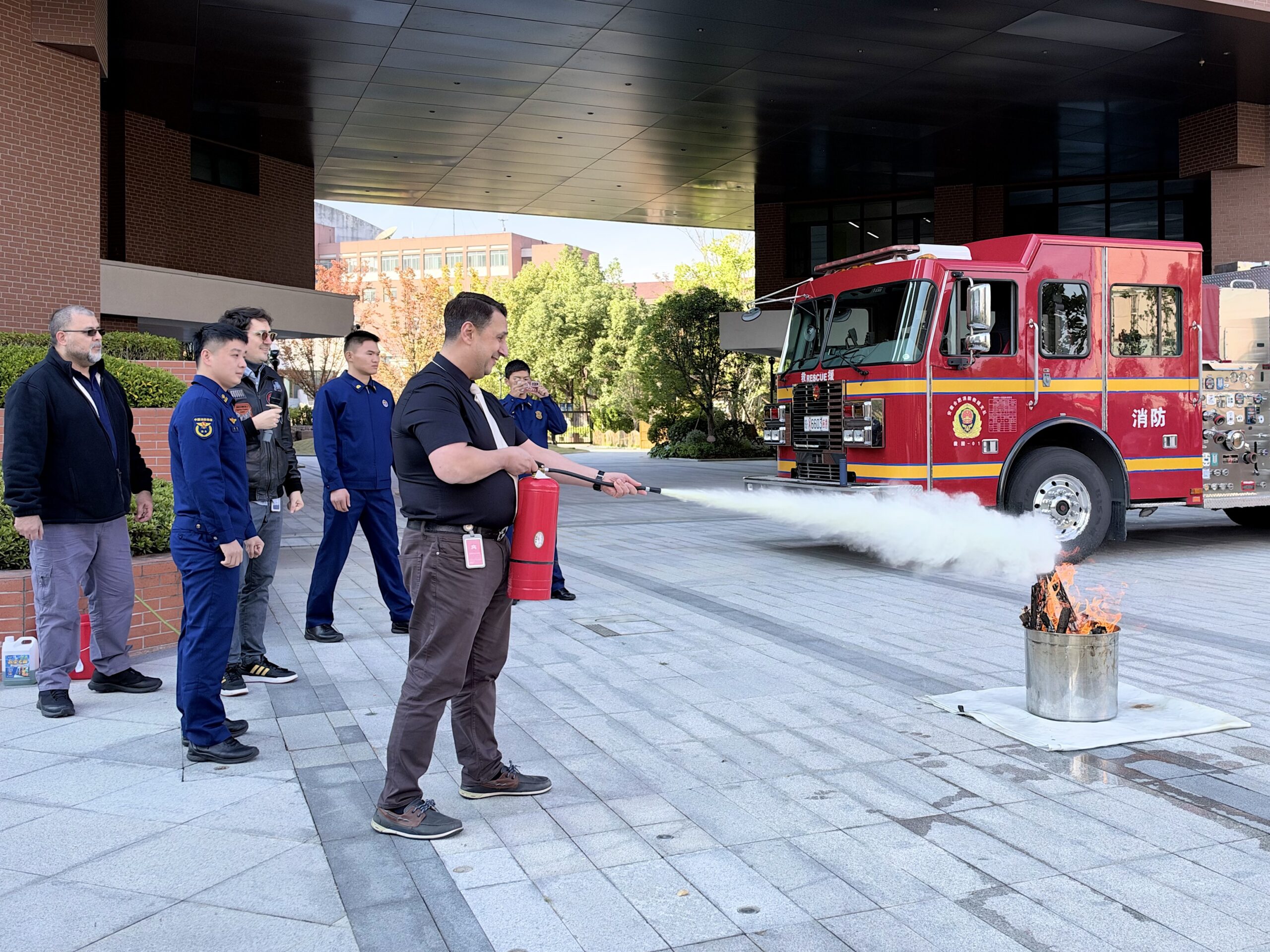
IGS Holds Fire Safety Drill and Training Session
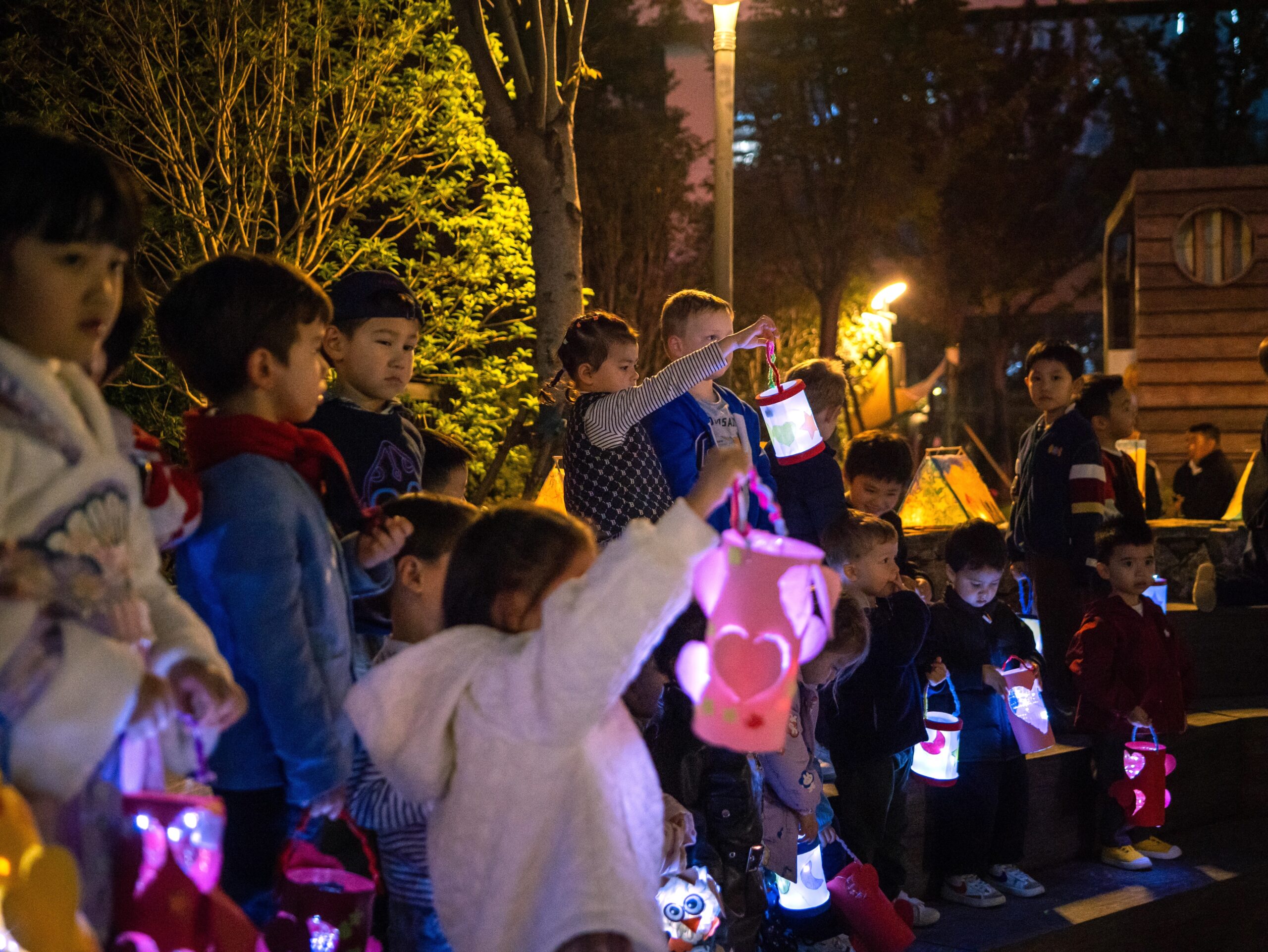
Walk and Shine Together: Celebrating Solidarity at IGS
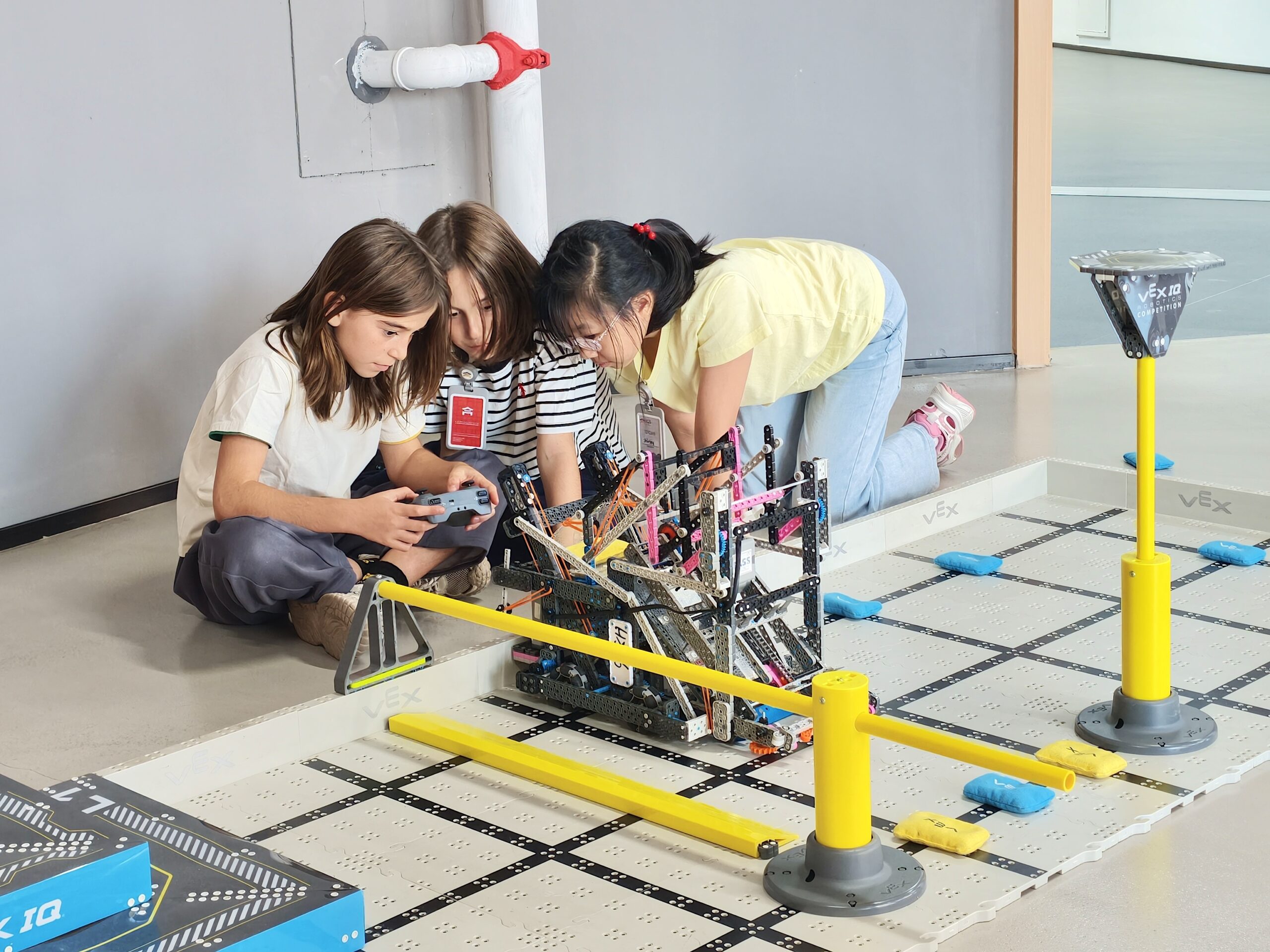
Off to Xi’an! Cheer for Our IGS VEX Robotics Team