
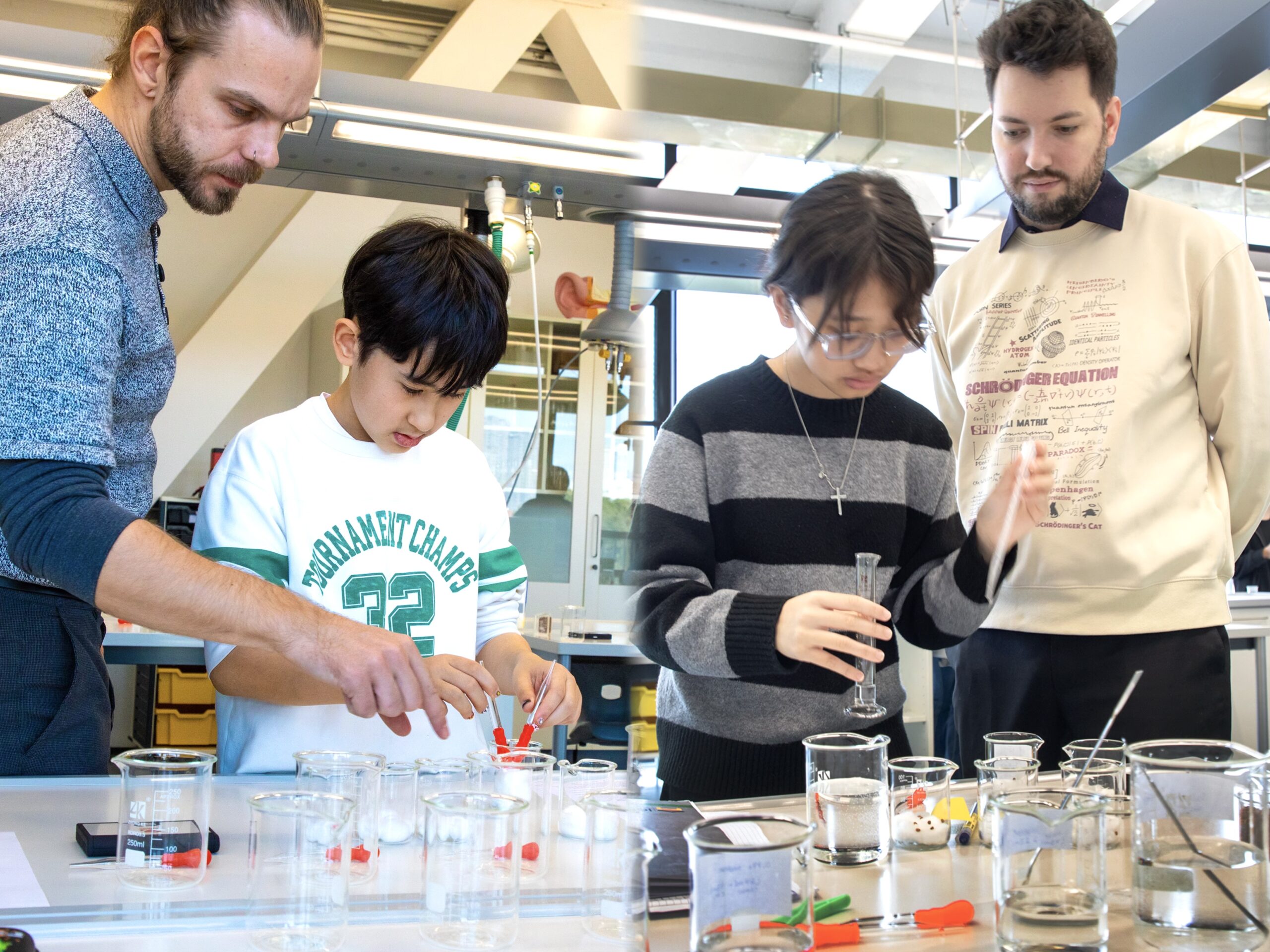
Our Science Project carried one powerful headline: “Warning!! Toxic!” – “The Dose Makes the Poison.”
At first, students laughed at the idea. “Poison? In school?”
But that curiosity was exactly the point: In real life, “poison” often isn’t a dramatic skull-and-crossbones situation. It’s usually something familiar — and the real question is how much.
Because in science and in everyday life, one rule keeps coming back:
Sola dosis facit venenum / The dose makes the poison. — Paracelsus
Our students explored how substances can shift from harmless to harmful depending on concentration, context, and exposure — using experiments that connect directly to real life.
Salt: Helpful Until It Becomes a Problem
Salt belongs in our kitchens — but what happens when it ends up where it shouldn’t be?
Students set up a simple plant experiment with garden cress seeds, cotton, cups, and different salt concentrations.
The results were surprisingly dramatic: some seeds grew well, others struggled, and at higher concentrations growth slowed down or stopped.
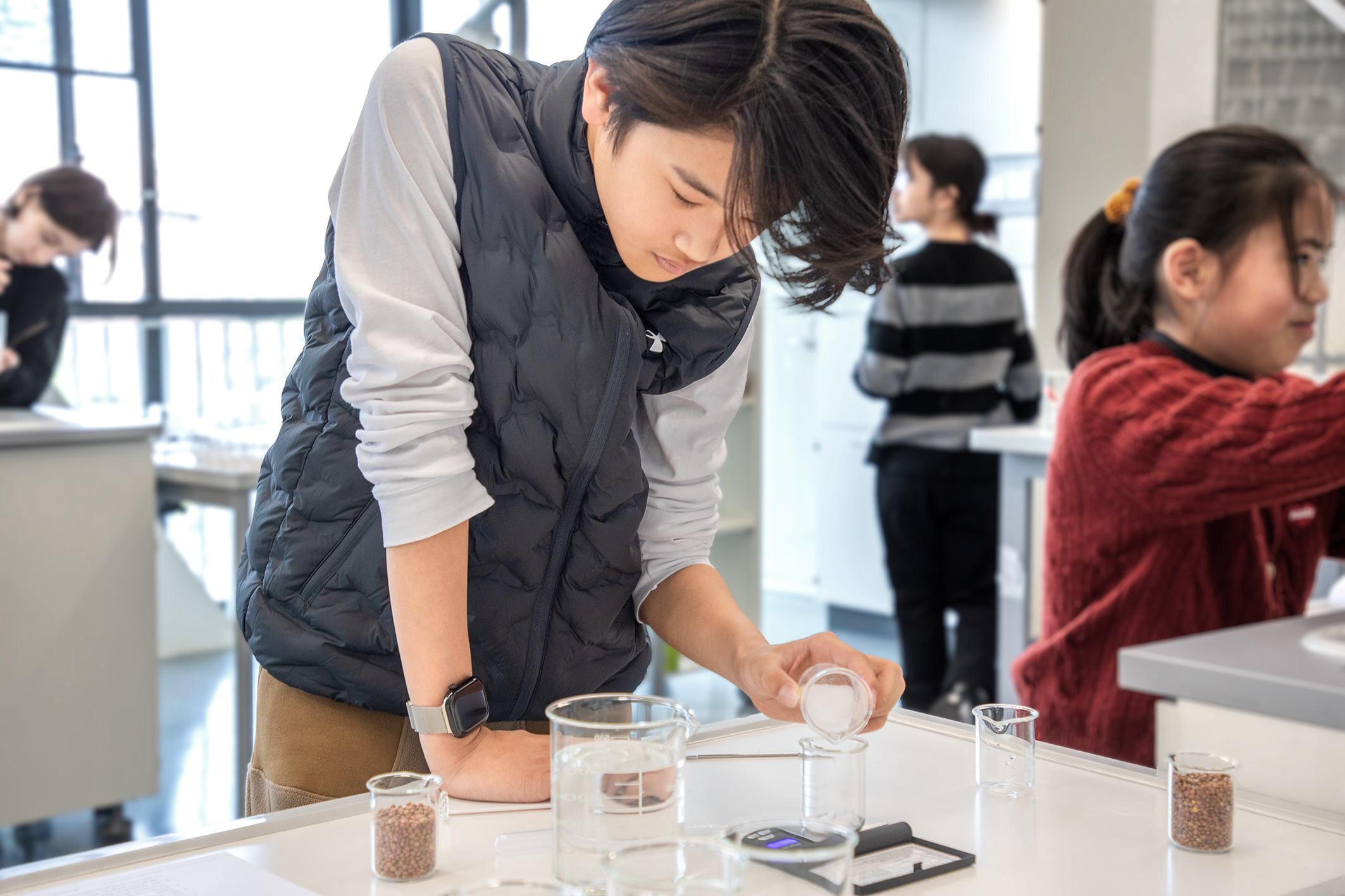
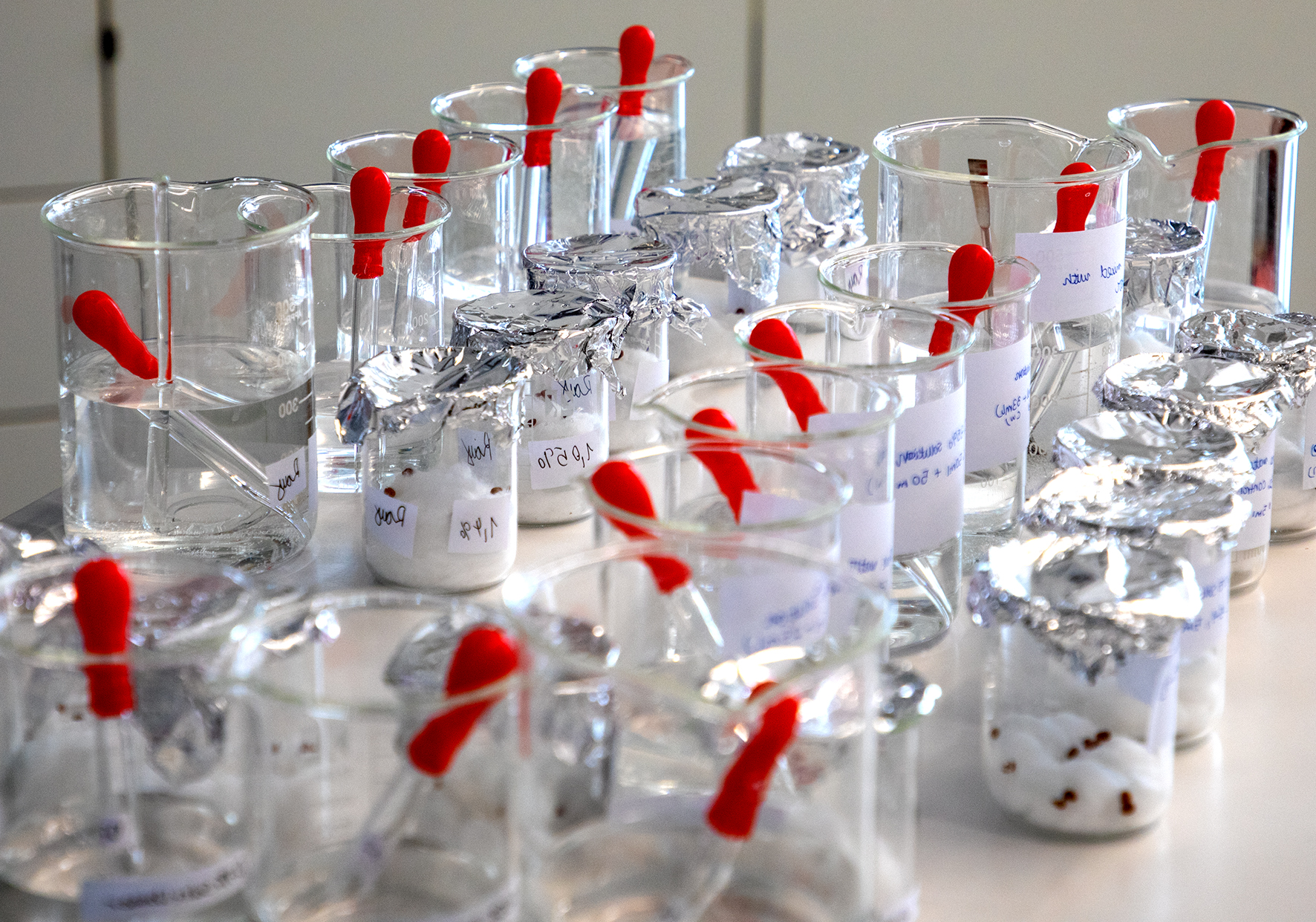
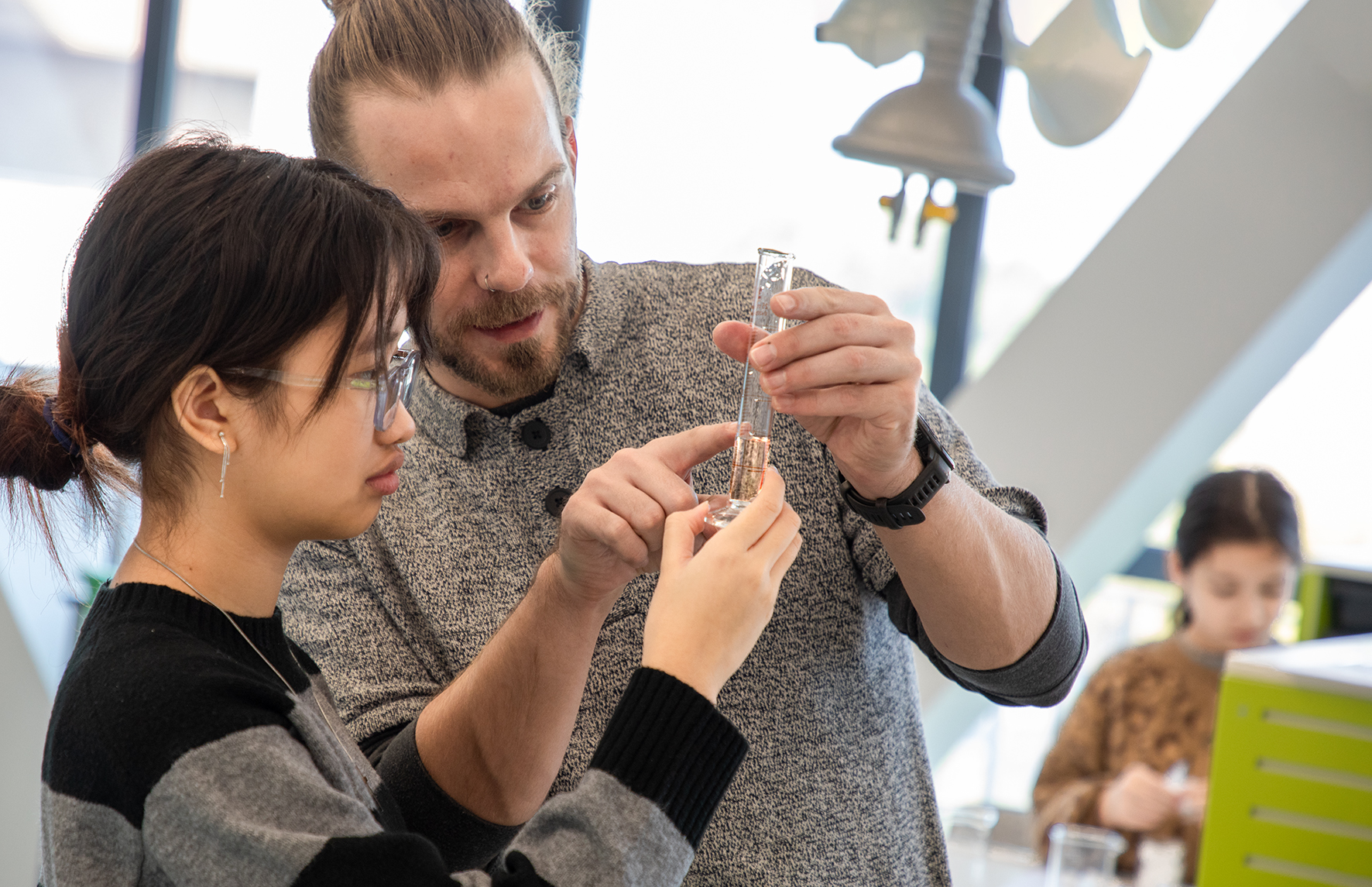
Suddenly, students weren’t just “experimenting” — they were talking about real issues like soil salinization, farming challenges, and environmental change.
Same substance. Different dose. Completely different outcome.
Vitamins: Good for You but Chemistry Decides How They Work
Vitamins are “healthy,” right? Yes — but they still follow the rules of chemistry.
Using carrot shavings, oil, and water, students observed how substances dissolve differently and why that matters for nutrition. They explored the idea that some components are water-soluble, others fat-soluble — and what that means when the body absorbs nutrients.
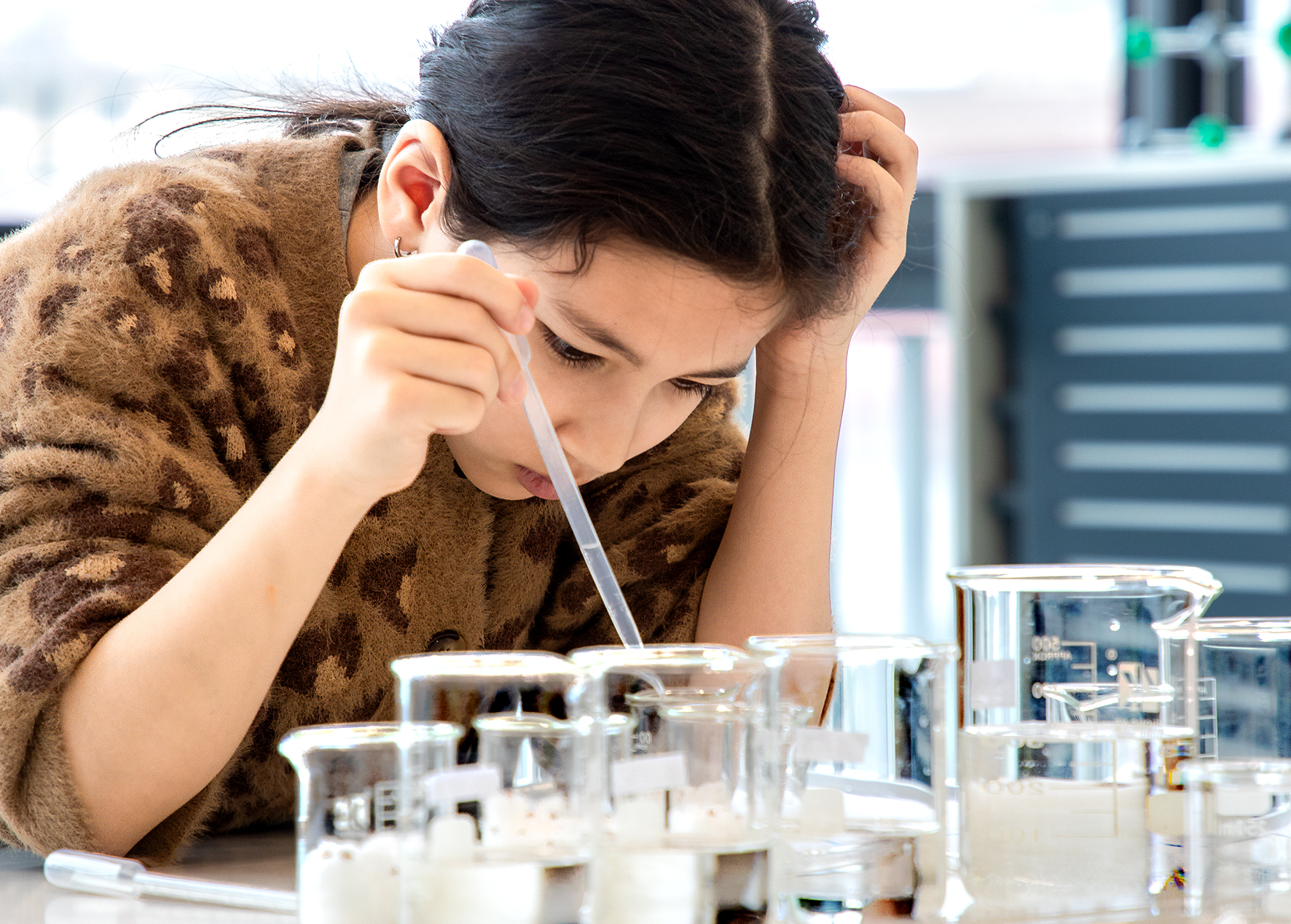
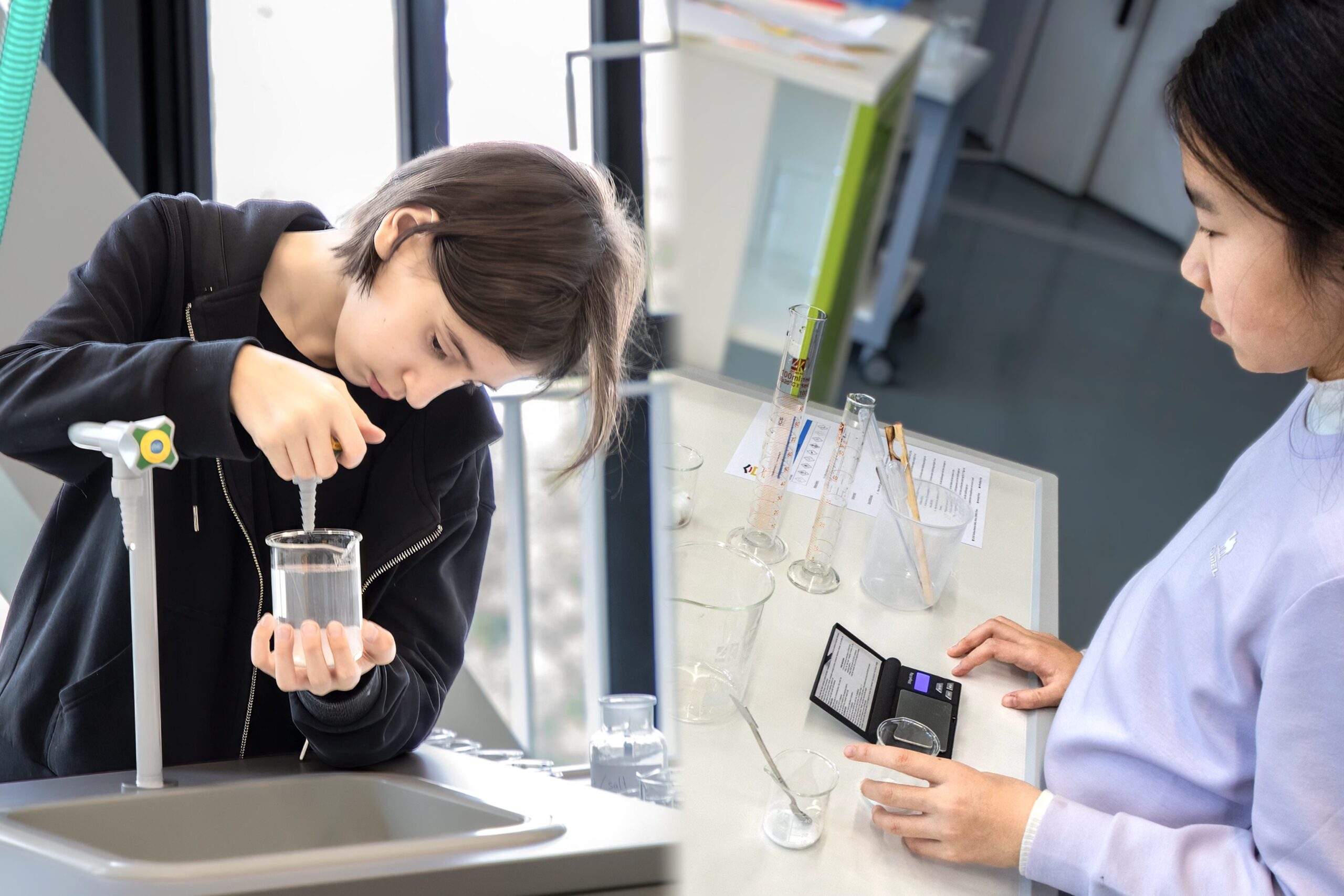
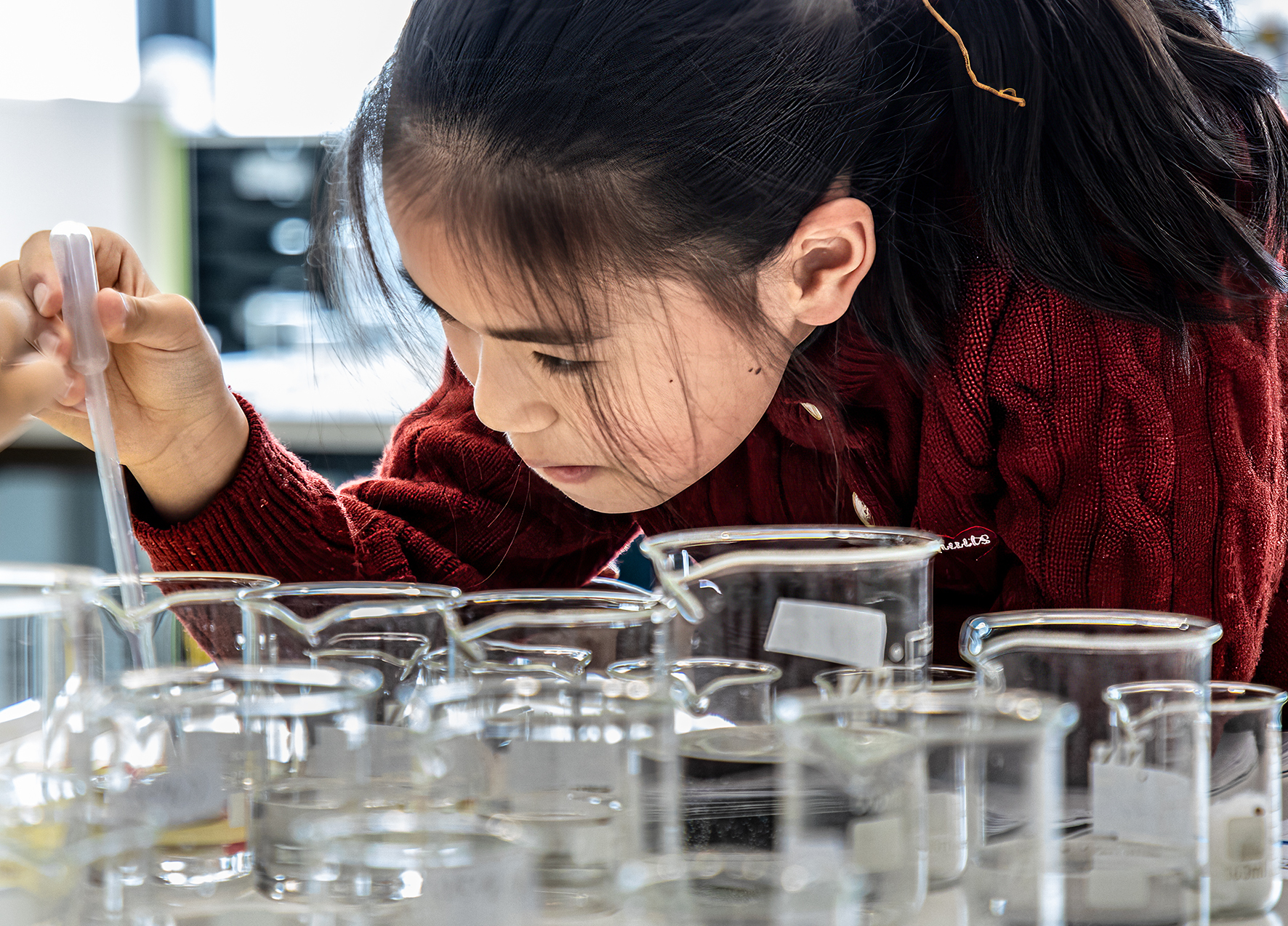
The fascination came from simplicity: with everyday materials, they could see invisible chemistry in action.
The Bigger Message: Science Makes Life Understandable
What made this project special wasn’t expensive lab equipment. It was the mindset:
Science starts when students notice that things in everyday life can behave in surprising ways.
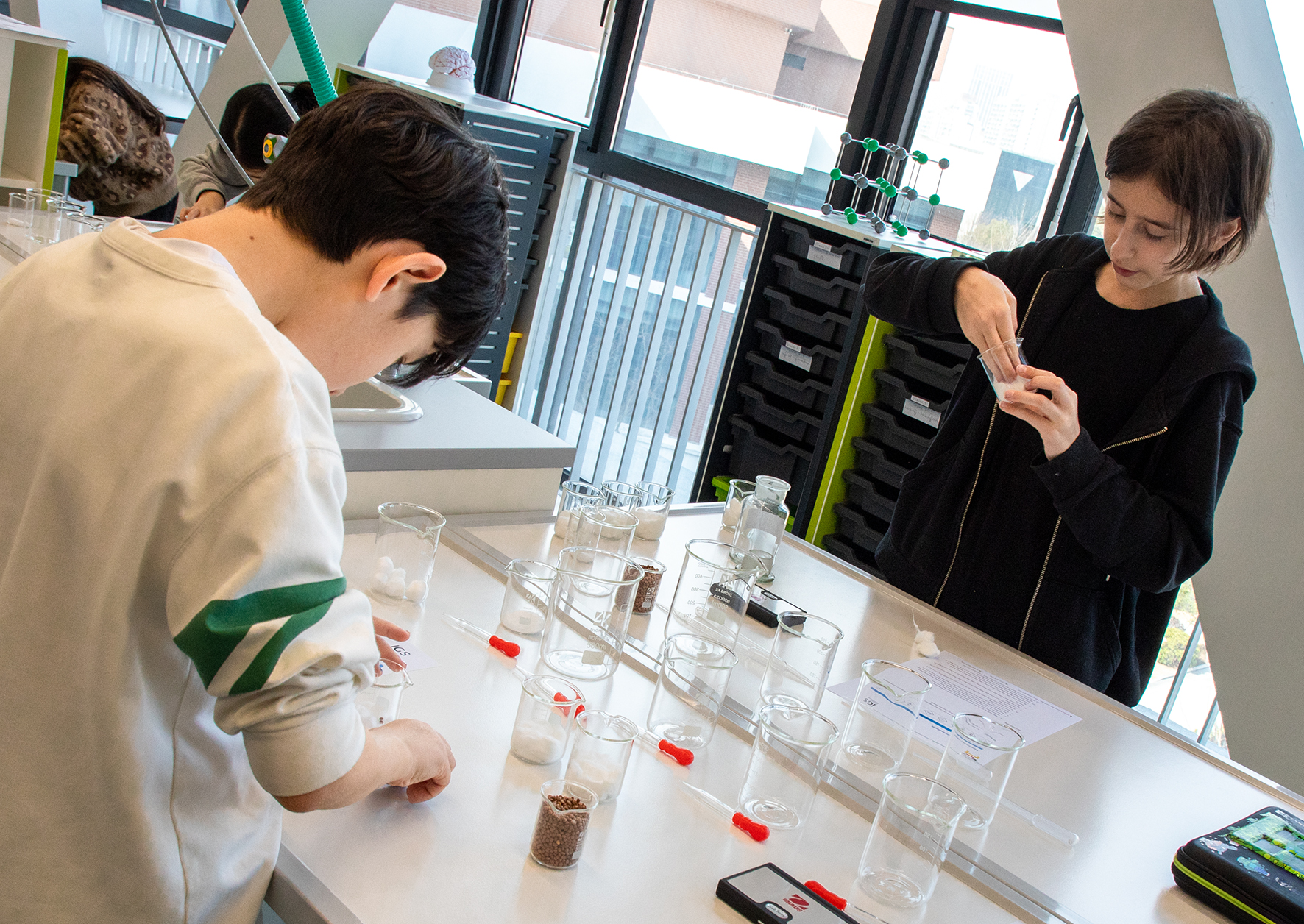
The students discovered a deeper truth: “Toxic” isn’t always about the substance.
It’s about dose, environment, and impact. That’s the kind of learning that sticks — because it connects directly to real life.