
As the scent of osmanthus filled the September air, IGS welcomed a vibrant celebration of Mid-Autumn Festival to campus, bringing Chinese intangible cultural heritage to life through music, performance, traditional crafts and hands-on activities.
For our international community of students and teachers, the festival offered an opportunity not simply to learn about Chinese traditions, but to experience them first-hand.
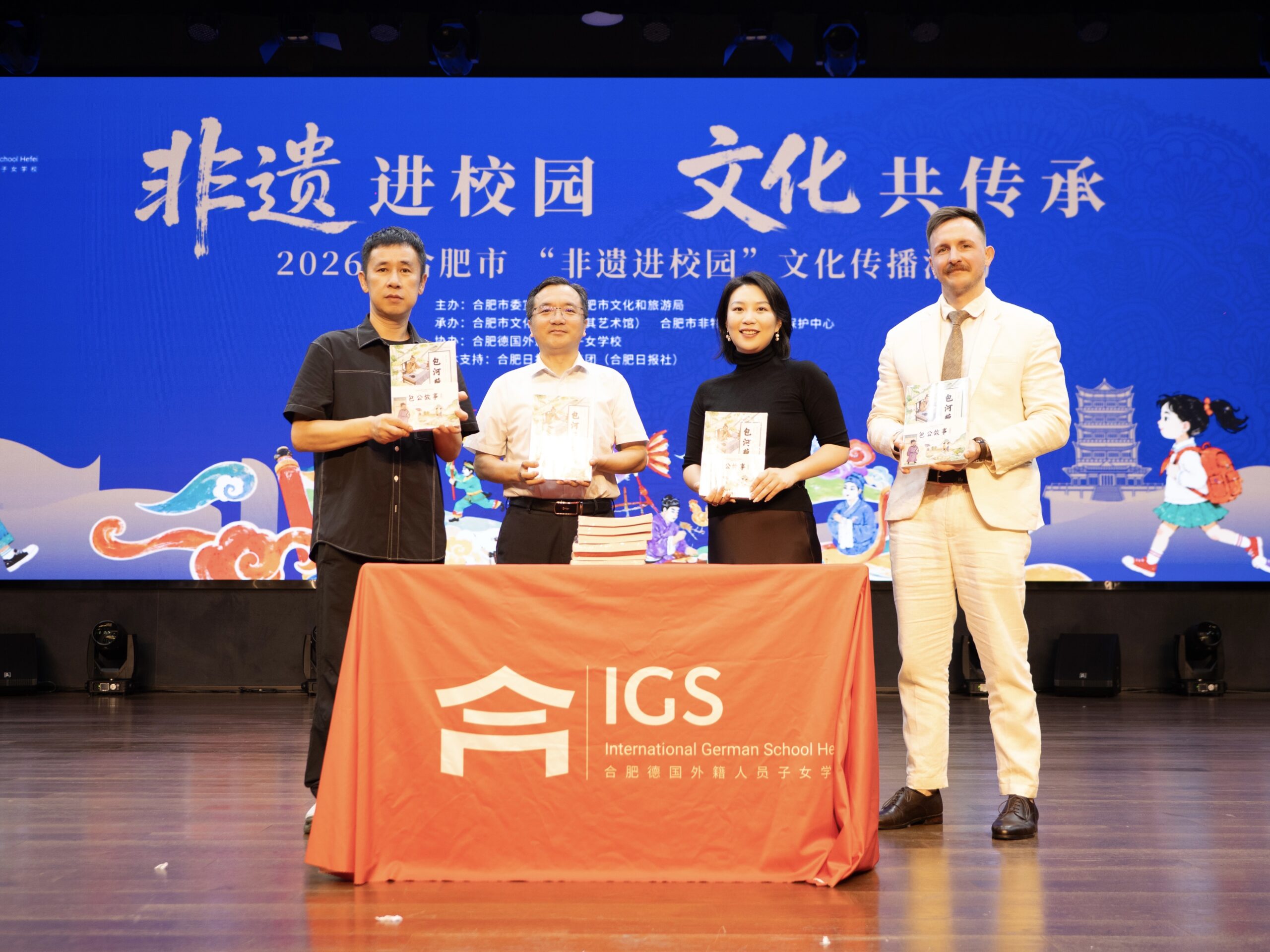
Hosted by the Publicity Department of the CPC Hefei Municipal Committee and the Hefei Bureau of Culture and Tourism, and organised by the Hefei Cultural Centre and Hefei Intangible Cultural Heritage Protection Centre, the event brought the warmth and spirit of Mid-Autumn reunion to the IGS community.
On Stage: Bringing Heritage to Life
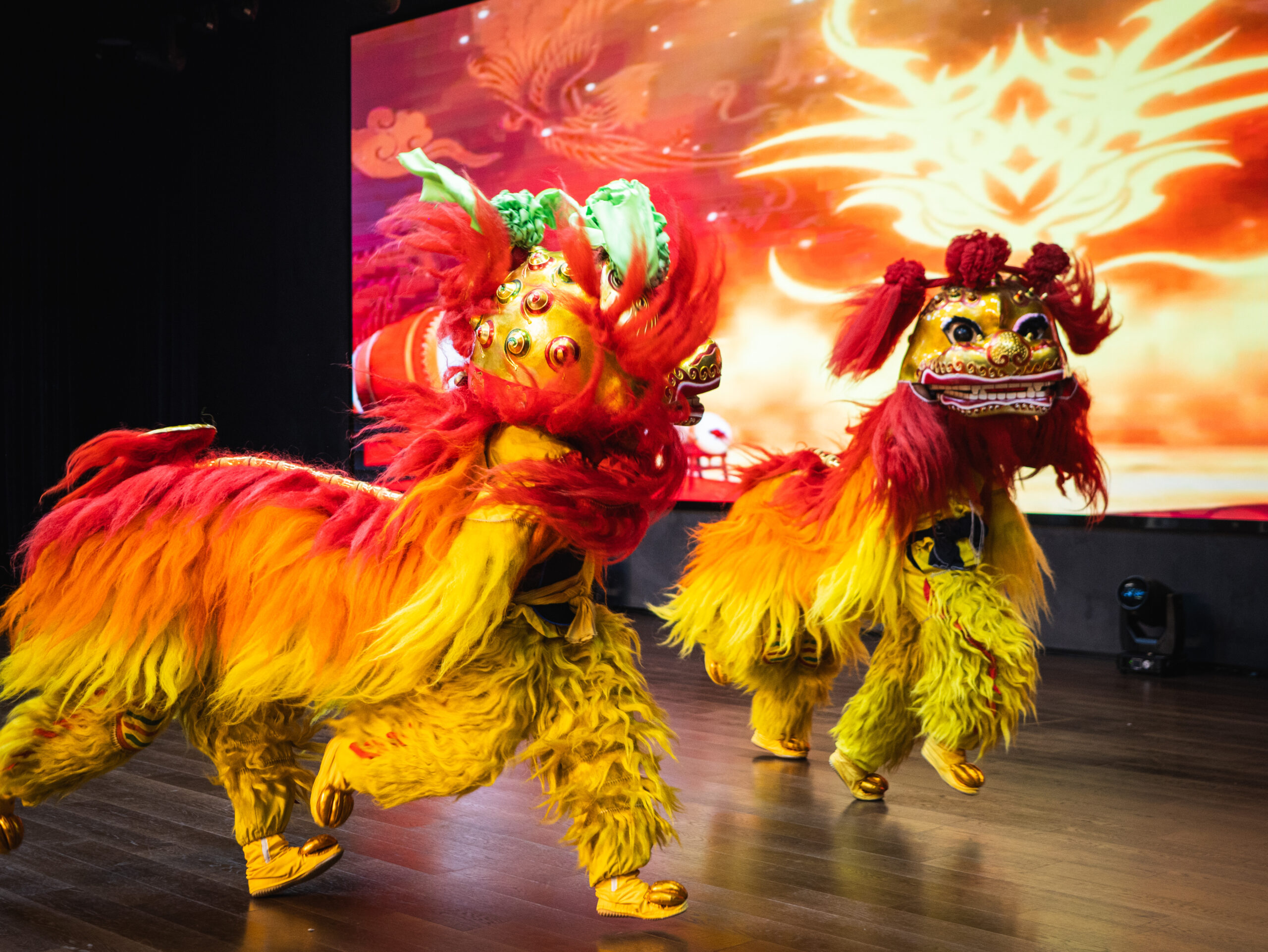
The celebrations opened with a spectacular lion dance performed by the Hefei Fushengtang Dragon and Lion Dance Troupe. Accompanied by energetic traditional music, the agile lions leapt and danced across the stage, drawing enthusiastic applause from the audience.
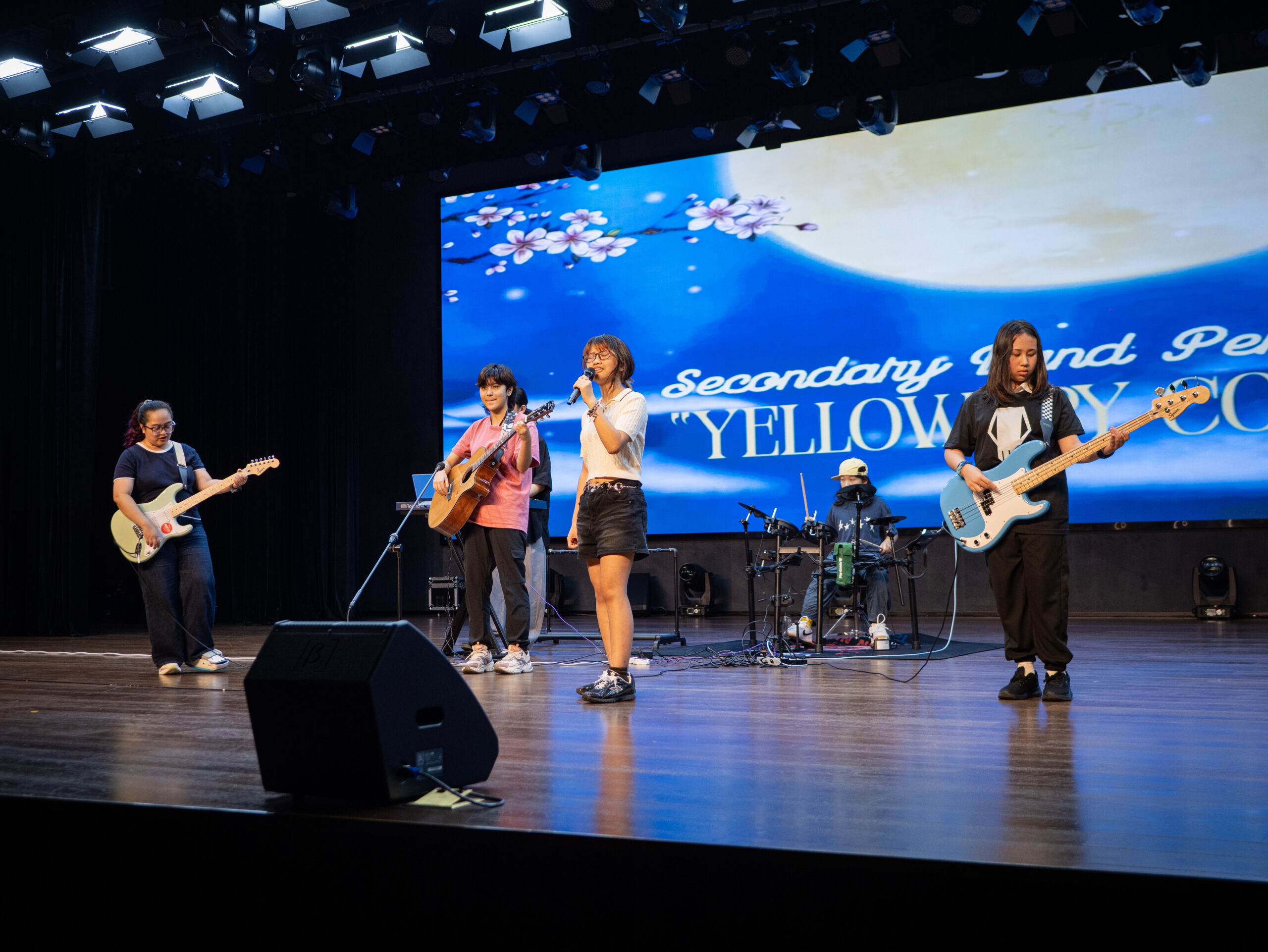
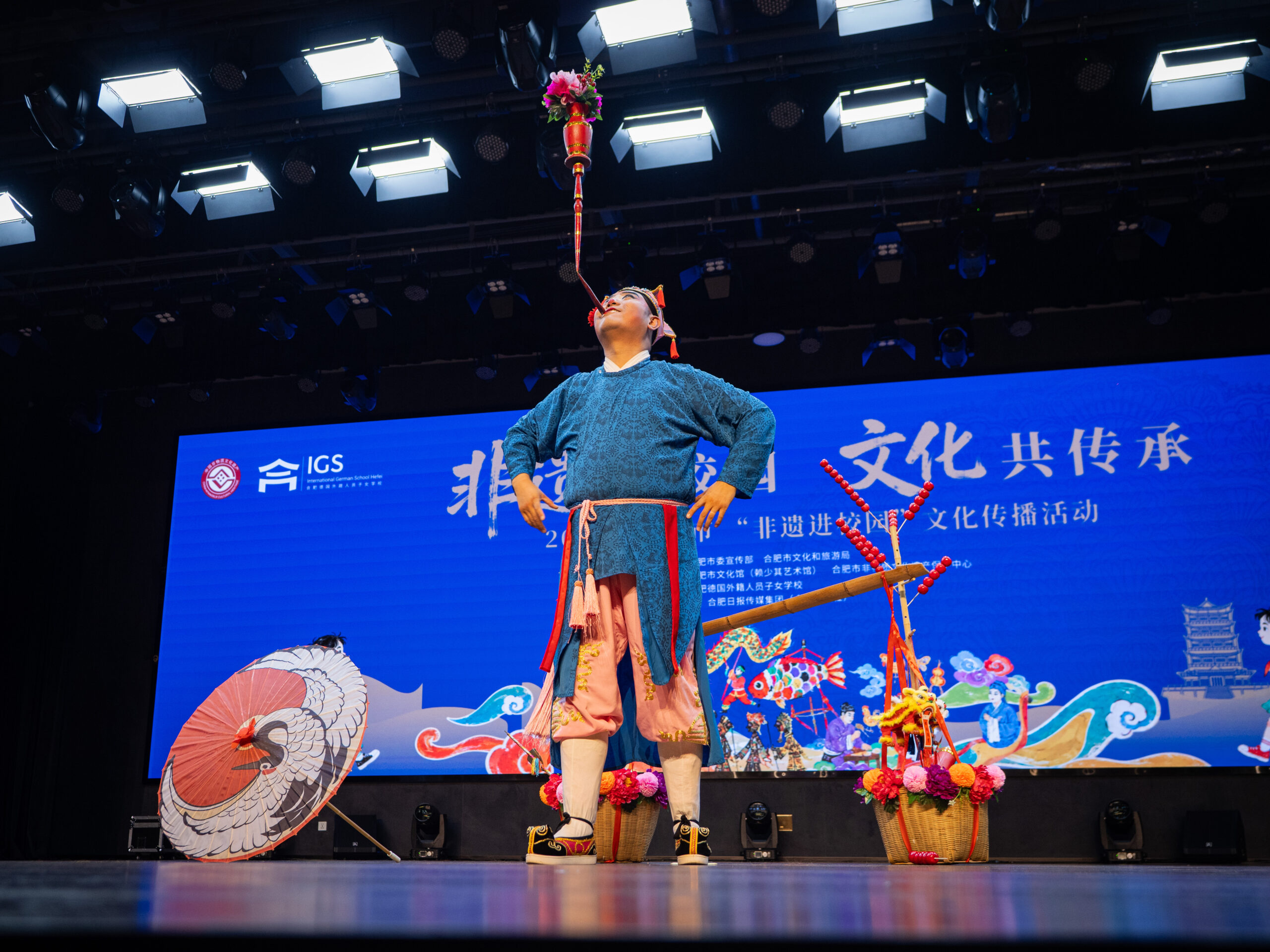
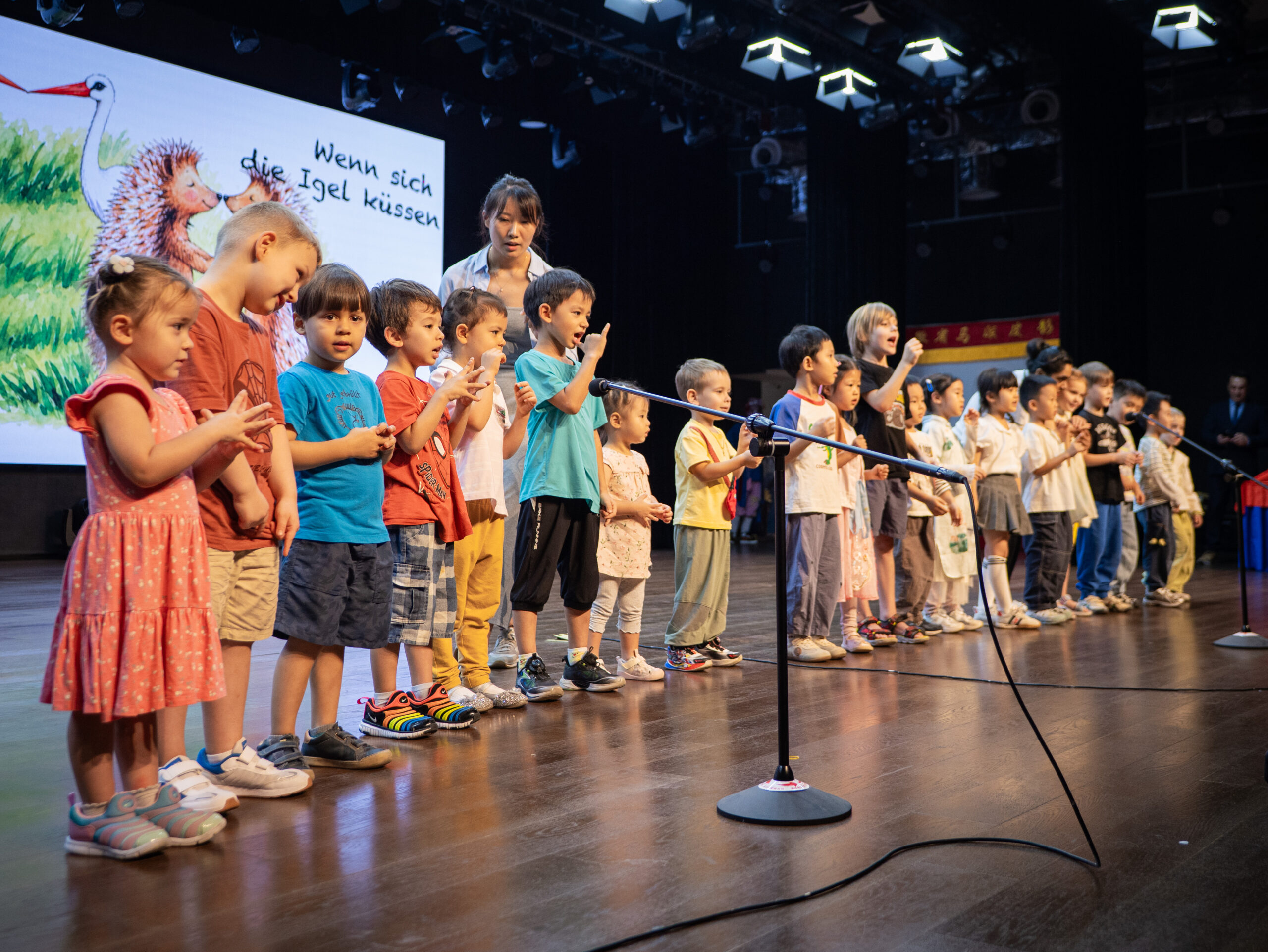
The performances continued with a colourful programme reflecting the diversity of the IGS community. Kindergarten and German Programme G1 and G2 students delighted the audience with playful German autumn songs, while the middle-school band performed a heartfelt guitar ensemble. Music provided a natural bridge between languages and cultures, bringing the whole community together.
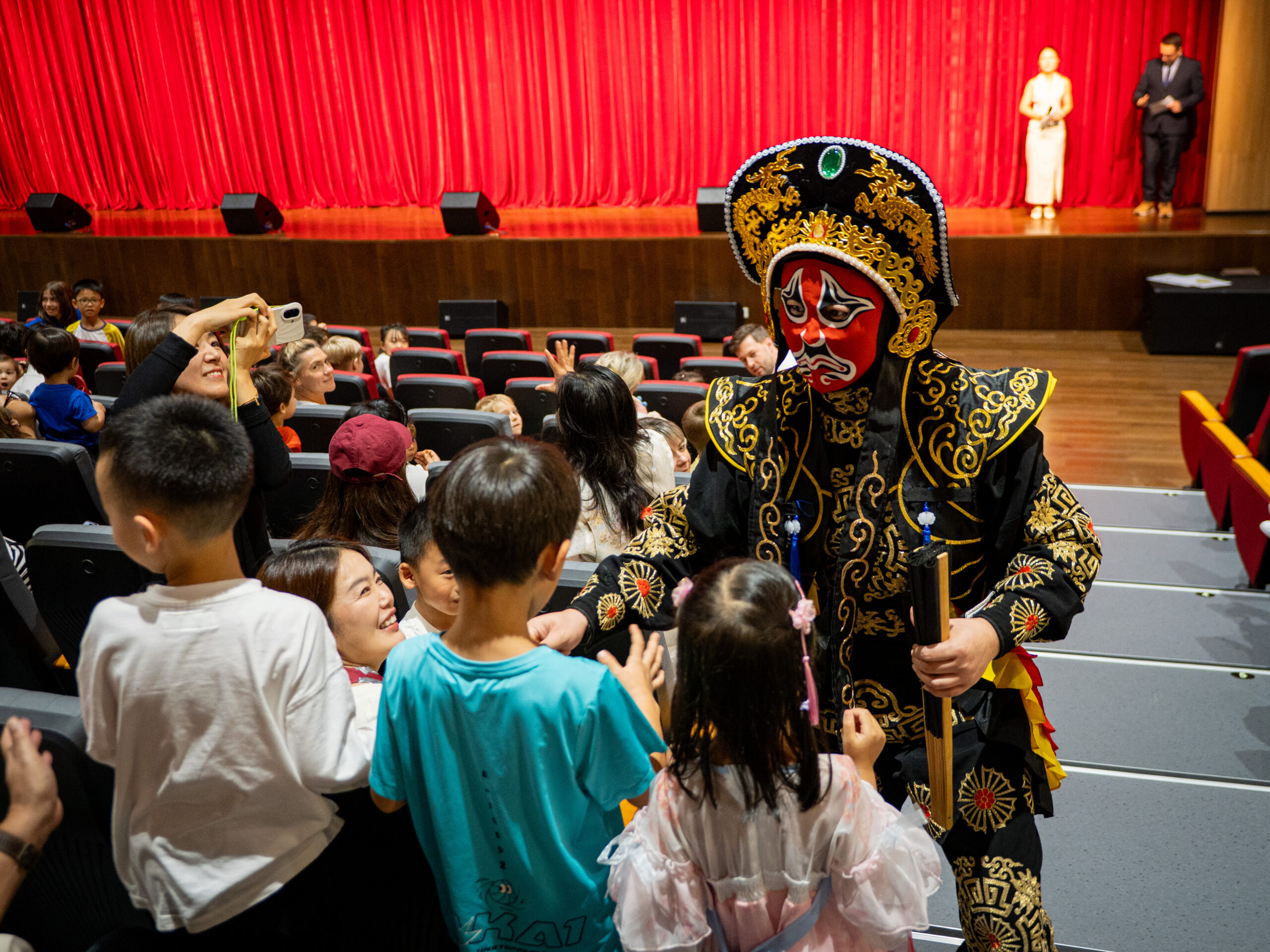
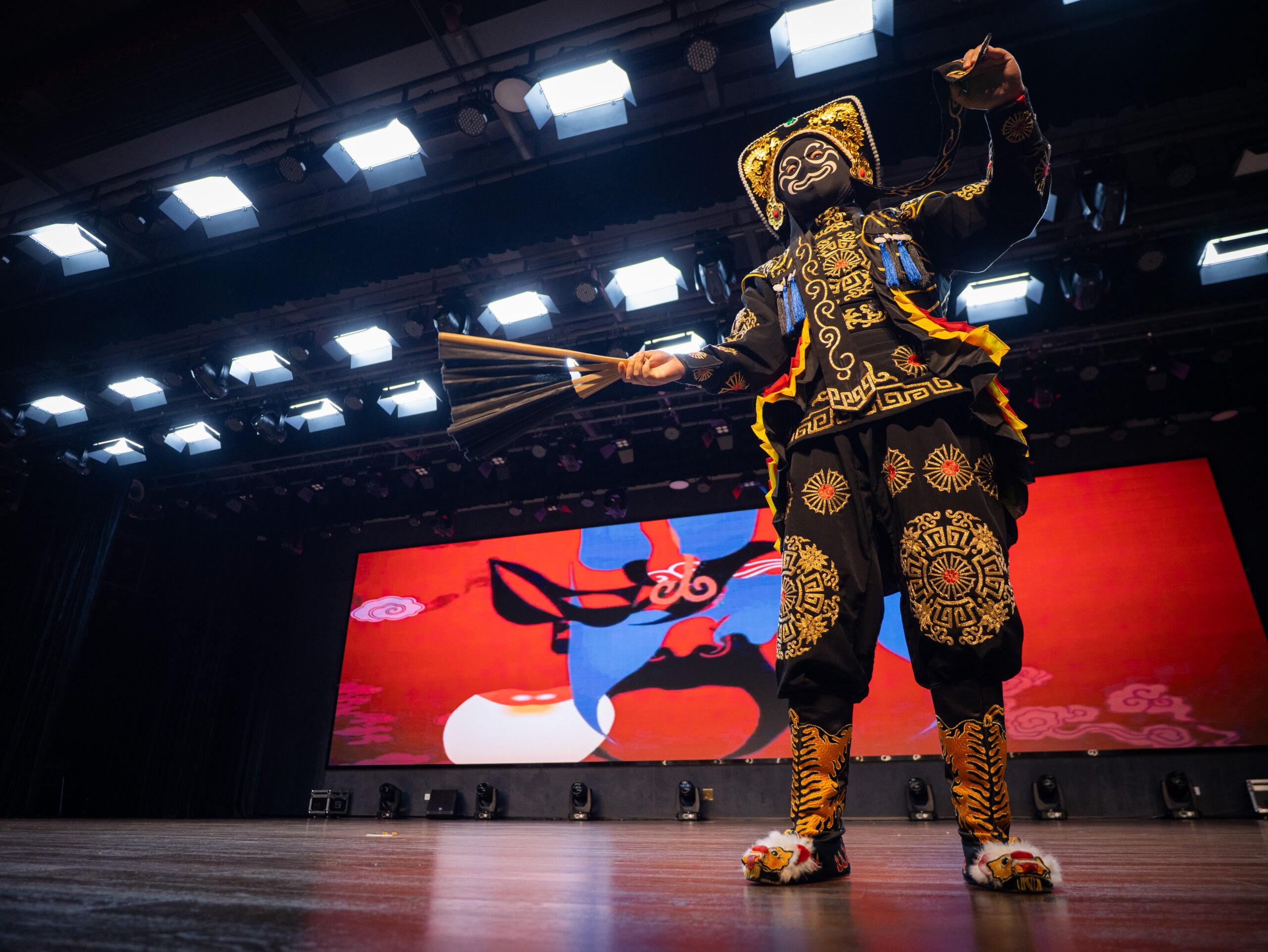
The audience was then treated to a spectacular performance of Sichuan Opera Face-Changing, a nationally recognised form of Chinese intangible cultural heritage. With remarkable speed and precision, the performer transformed one mask into another, captivating students and adults alike.
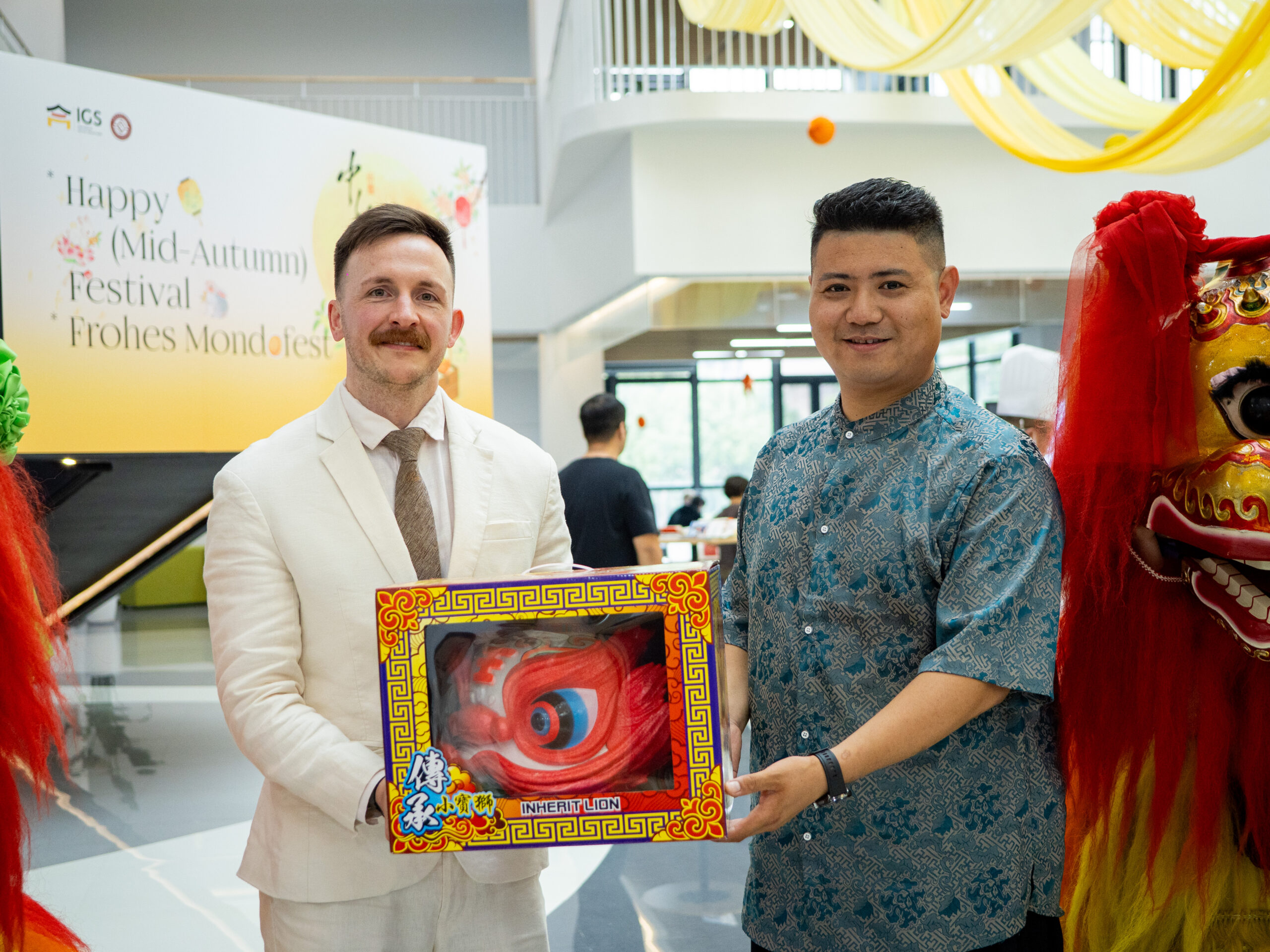
The event also provided an opportunity to pass cultural heritage on to a new generation. The Hefei Cultural Centre presented IGS with a series of heritage-themed picture books, Stories of Justice Bao. Through these vivid stories, students can discover more about Hefei’s history and cultural heritage while continuing to explore the city in which they live and learn.
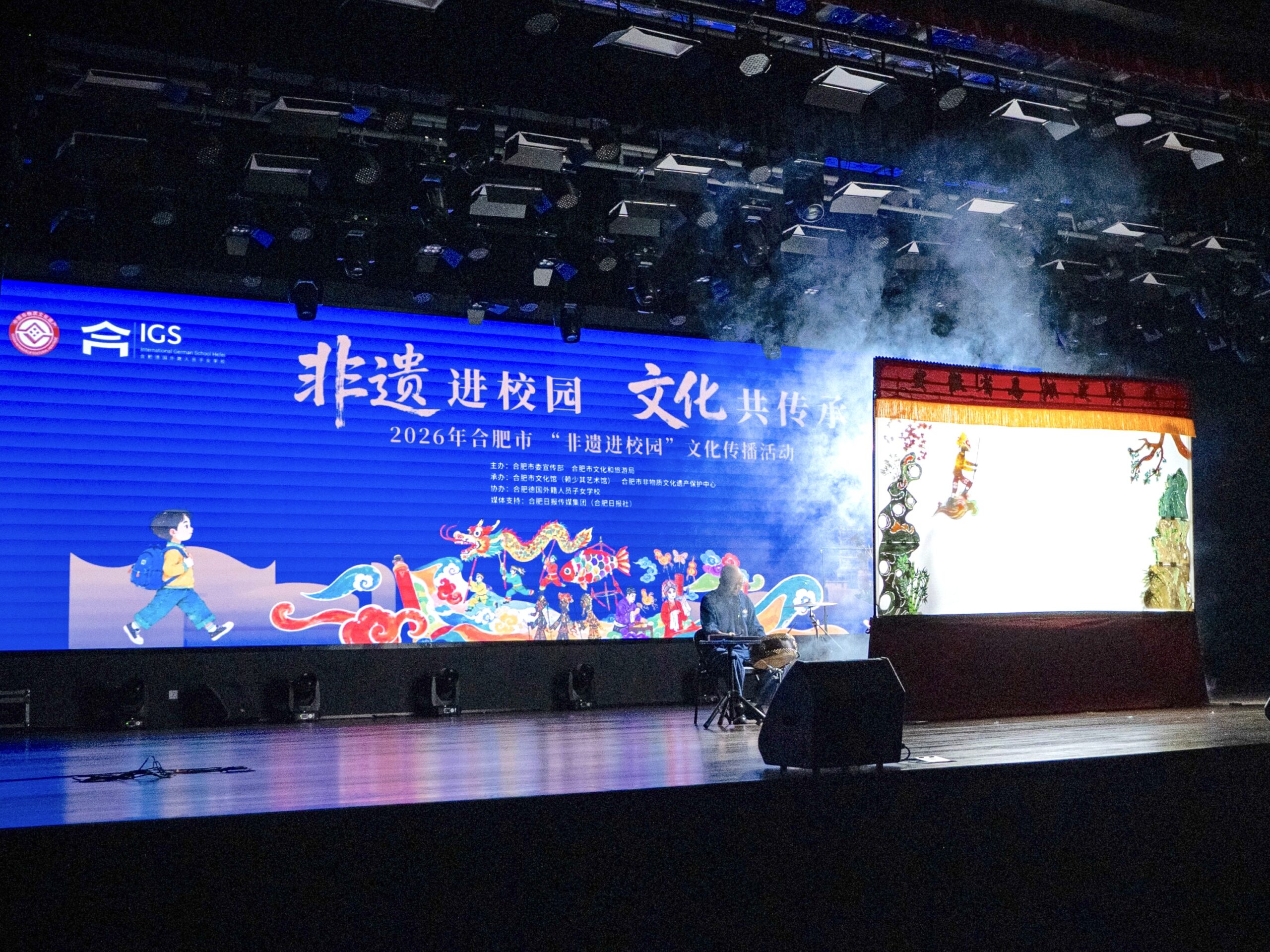
The stage programme concluded with Ma-style Shadow Puppetry, a provincial-level item of intangible cultural heritage from Anhui. Behind the illuminated screen, delicate puppets brought traditional stories and scenes of everyday life to life, offering the audience a glimpse into a form of folk art that has been passed down through generations.
Hands-on Heritage: Creating and Celebrating Together
Following the performances, the celebrations continued in the central courtyard, where intangible cultural heritage practitioners introduced students and families to a range of traditional crafts and customs.
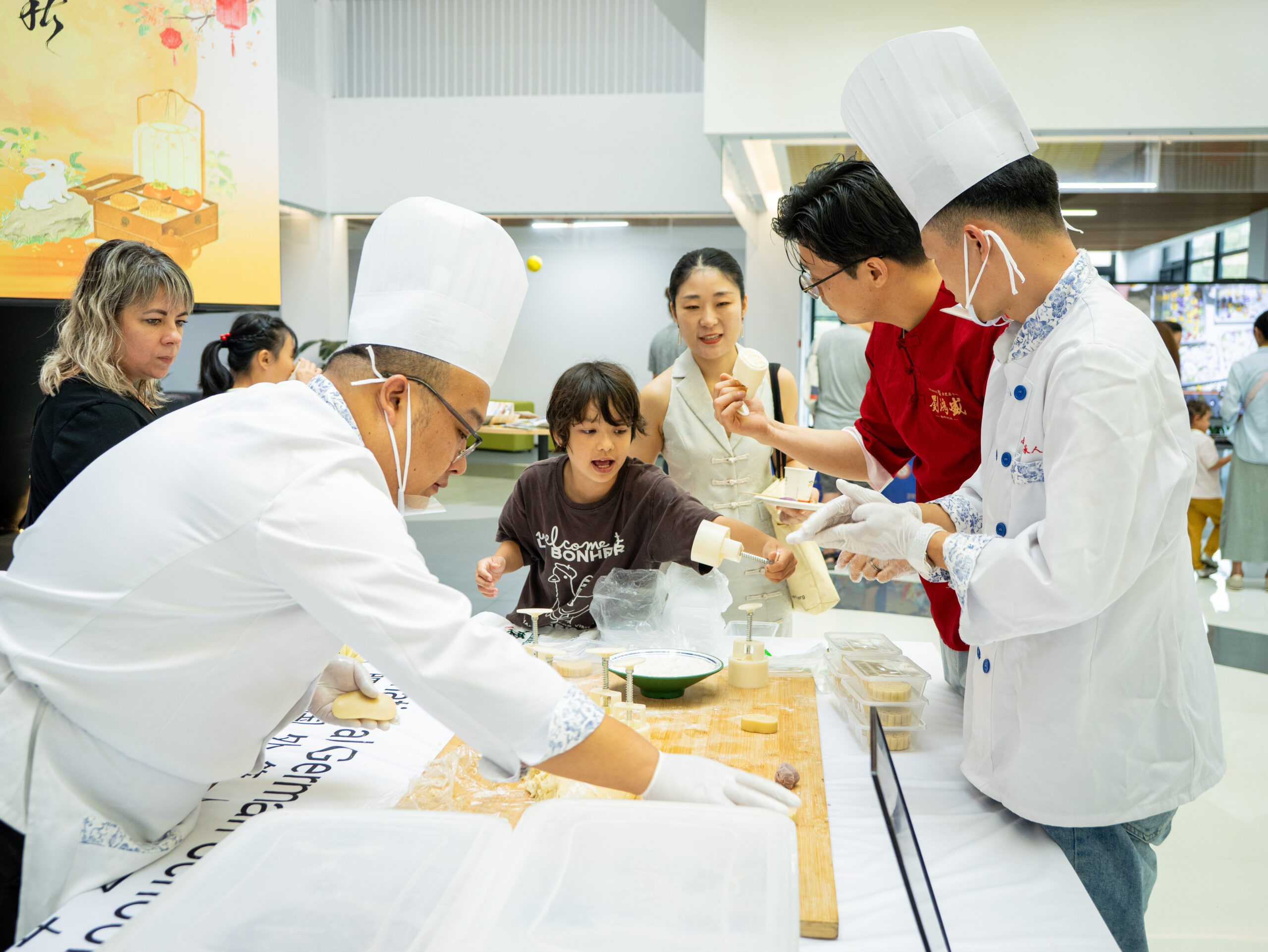
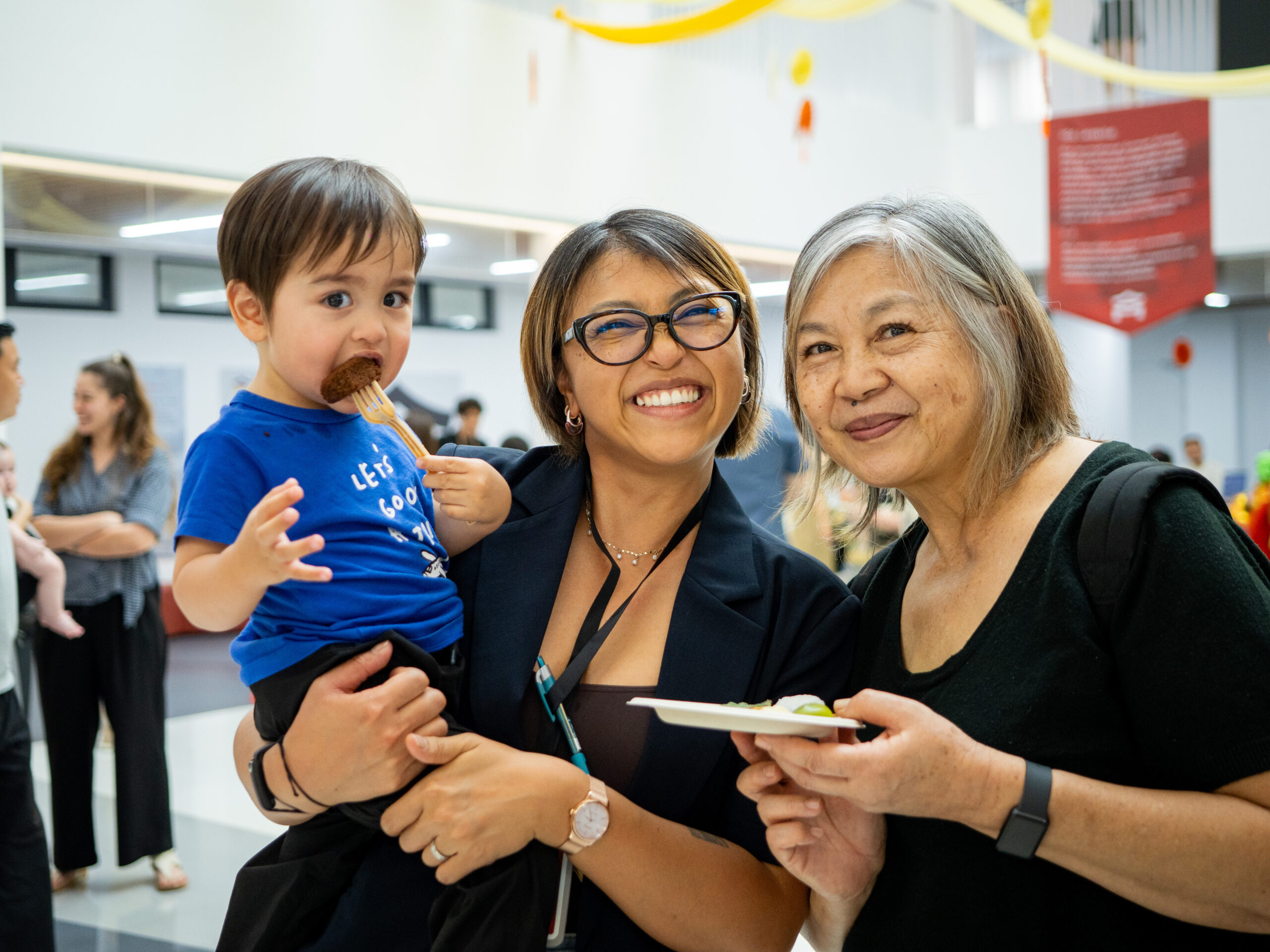
Liu Hongsheng, a time-honoured Hefei snack brand founded in 1873 and recognised as an item of intangible cultural heritage, hosted a hands-on mooncake workshop. Skilled makers demonstrated how to knead the dough, prepare the wrappers and shape the traditional fillings, while also sharing the stories and symbolism associated with mooncakes and family reunion.
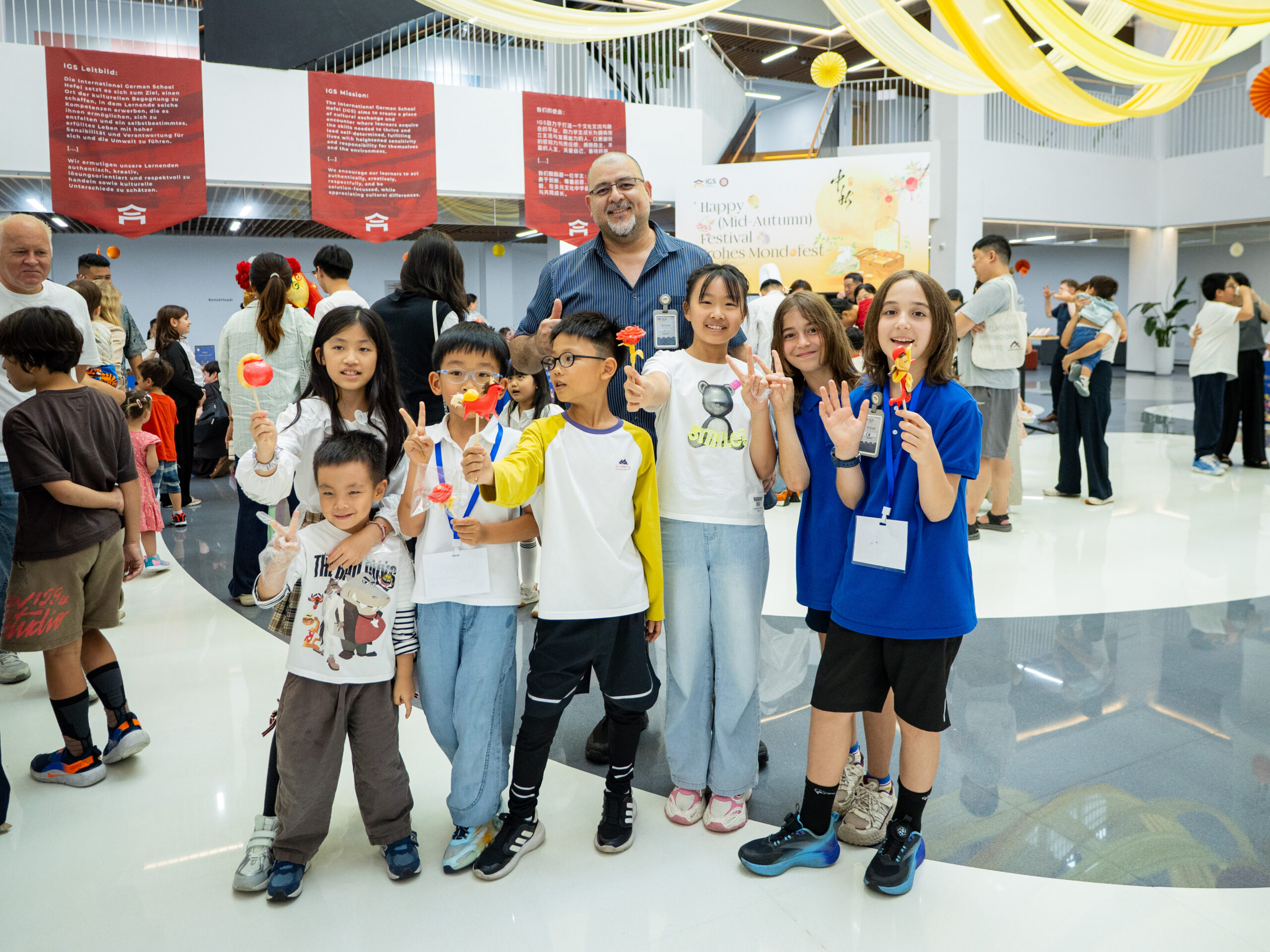
Students eagerly had a go at making their own mooncakes. The experience transformed cultural learning into something tangible – and delicious – giving children the opportunity to experience a centuries-old tradition for themselves.
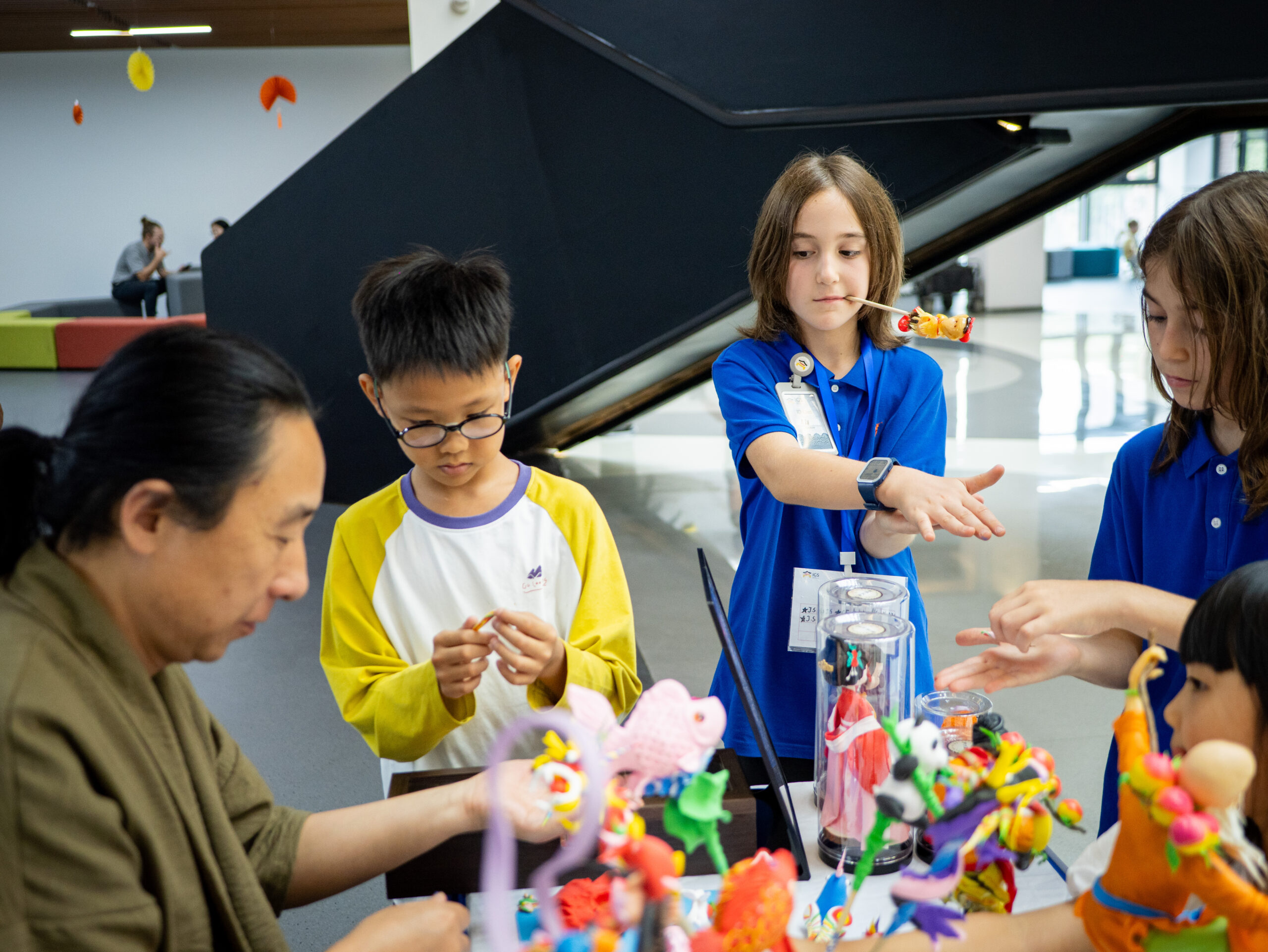
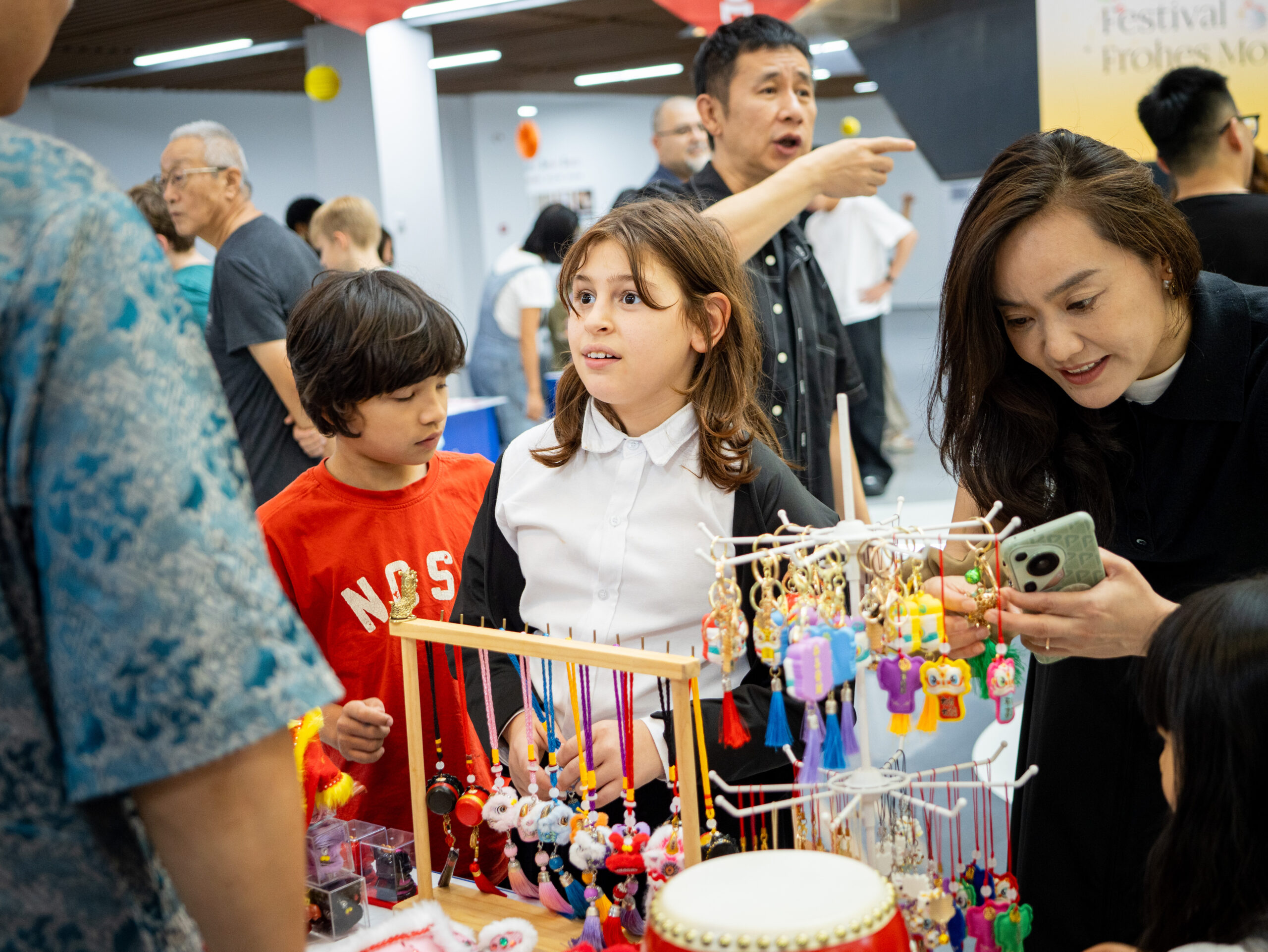
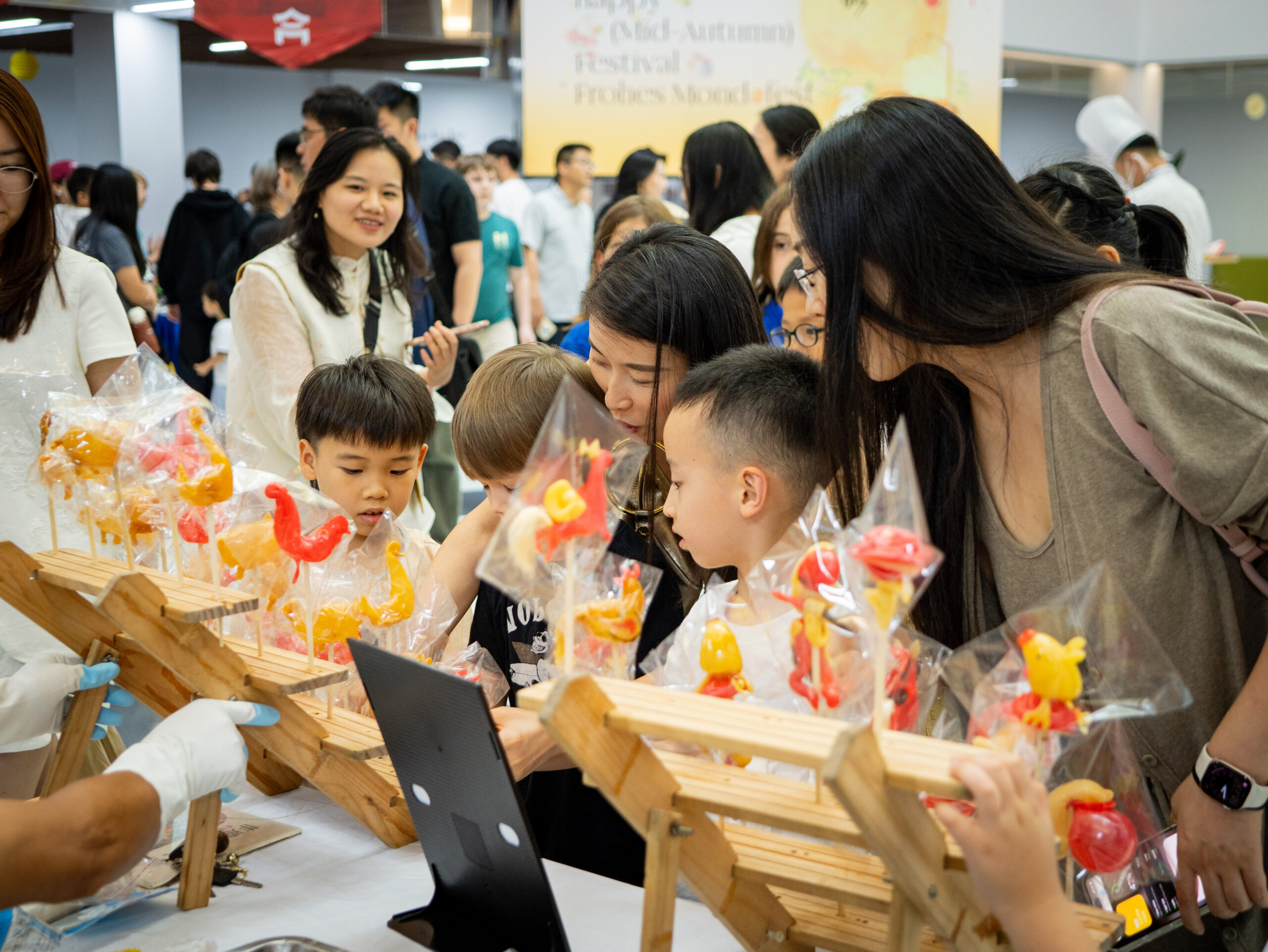
Elsewhere in the courtyard, visitors could explore a range of traditional crafts, including Luyang paper-cutting, traditional Luzhou incense-making, sugar blowing and Luzhou dough sculpture. Artisans also showcased intricate Huizhou-style clothing, offering students and families an insight into the craftsmanship and aesthetics of traditional Chinese culture.
Children moved from one activity to the next, watching, asking questions and creating their own pieces amid plenty of laughter. For many, the experience offered a new perspective on the Mid-Autumn Festival. A perspective that went far beyond the familiar image of the full moon.
“I used to think of Mid-Autumn Festival mainly as a festival about the moon. Now I know that it is also about food, crafts, stories and spending time together. Chinese traditional festivals are really wonderful!”
For IGS’ Acting Head of School Tobias Steier, opportunities such as this are an important part of creating an international school community that is genuinely connected to its local context:
“Being an international school does not mean looking beyond our local culture. Actually, it is quite the opposite. Our students have the opportunity to experience Chinese traditions first-hand, alongside the cultures and traditions represented within our own international community. Events like this allow them to develop a deeper understanding of Hefei and China while learning to appreciate the richness that cultural diversity brings to our school.”
Connecting Cultures at IGS
The full moon of Mid-Autumn Festival has long been a symbol of reunion, connection and continuity. By bringing Chinese intangible cultural heritage onto campus, IGS created a space where these traditions could be experienced, shared and appreciated by our diverse international community.
Every performance, story and hand-crafted piece offered a window into the cultural heritage of Anhui and the wider Chinese tradition, while the shared experience created new connections across languages and cultures.
As an international school in Hefei, IGS is committed to providing students with meaningful opportunities to engage with the culture and community around them. Through experiences such as these, our students can develop both a strong connection to their local environment and the open, global outlook that lies at the heart of an international education.