Many parents exploring the International German School Hefei frequently raise two questions: Does my child need to speak German or English to enroll? Will children with no prior language experience struggle to settle into a multilingual environment?
Good News: No language requirements apply for entry to IGS Kindergarten.
Now browse this Q&A to discover more about our kindergarten’s language framework and learning approaches.
Q1: Are prior German or English skills required for admission to IGS Kindergarten?
No.
Q2: How is learning for German, English and Chinese organised at IGS Kindergarten?
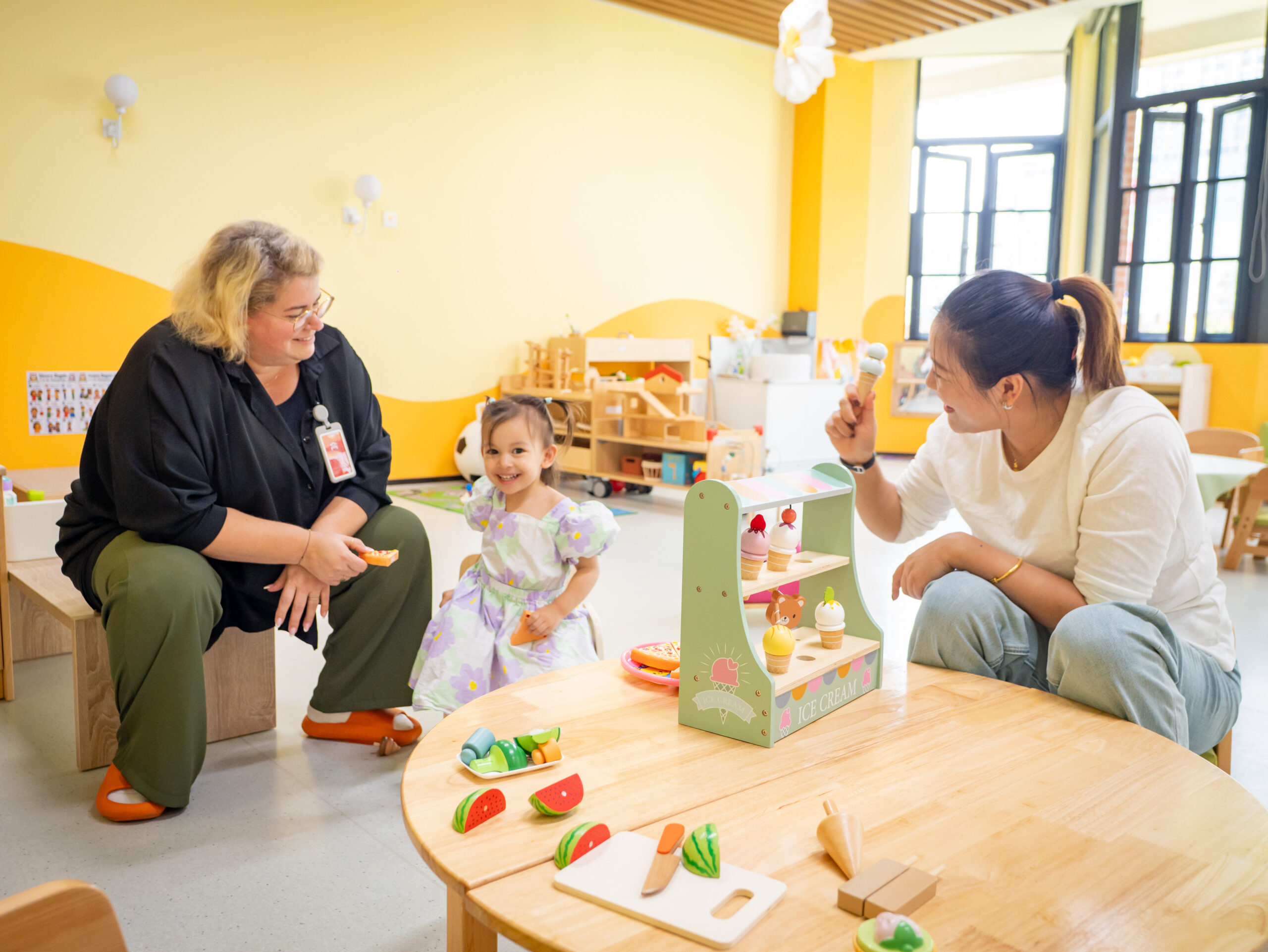
German, English and Chinese are all part of our trilingual programme, with each language playing a meaningful role in children’s everyday learning.
German and English form the core of our immersion concept and are integrated throughout the Kindergarten day through routines, play and learning activities. Chinese is offered through a dedicated enrichment programme, led by a specialist Chinese teacher and accounting for approximately 20% of weekly learning time.
Q3: So how exactly do children learn languages at IGS Kindergarten?
·Language Through Everyday Experiences
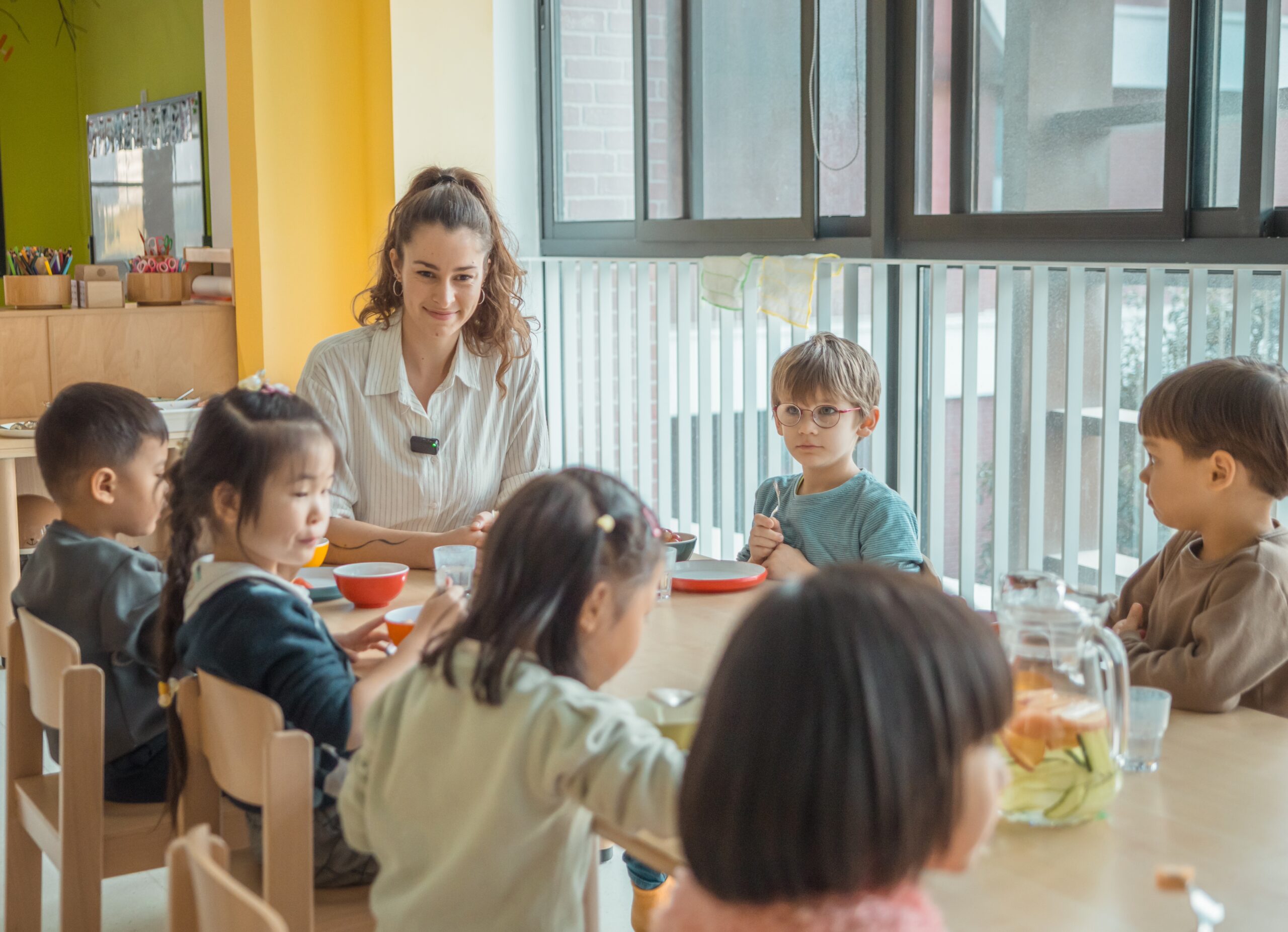
Children do not learn primarily through vocabulary lists, grammar exercises or isolated language lessons. Instead, language is connected to what they are doing and experiencing throughout the day.
Teachers naturally use language during routines, play, outdoor time, projects and stories. Gestures, facial expressions, objects, actions, repetition and context help children understand meaning and gradually develop language through meaningful experiences.
·One Person – One Language
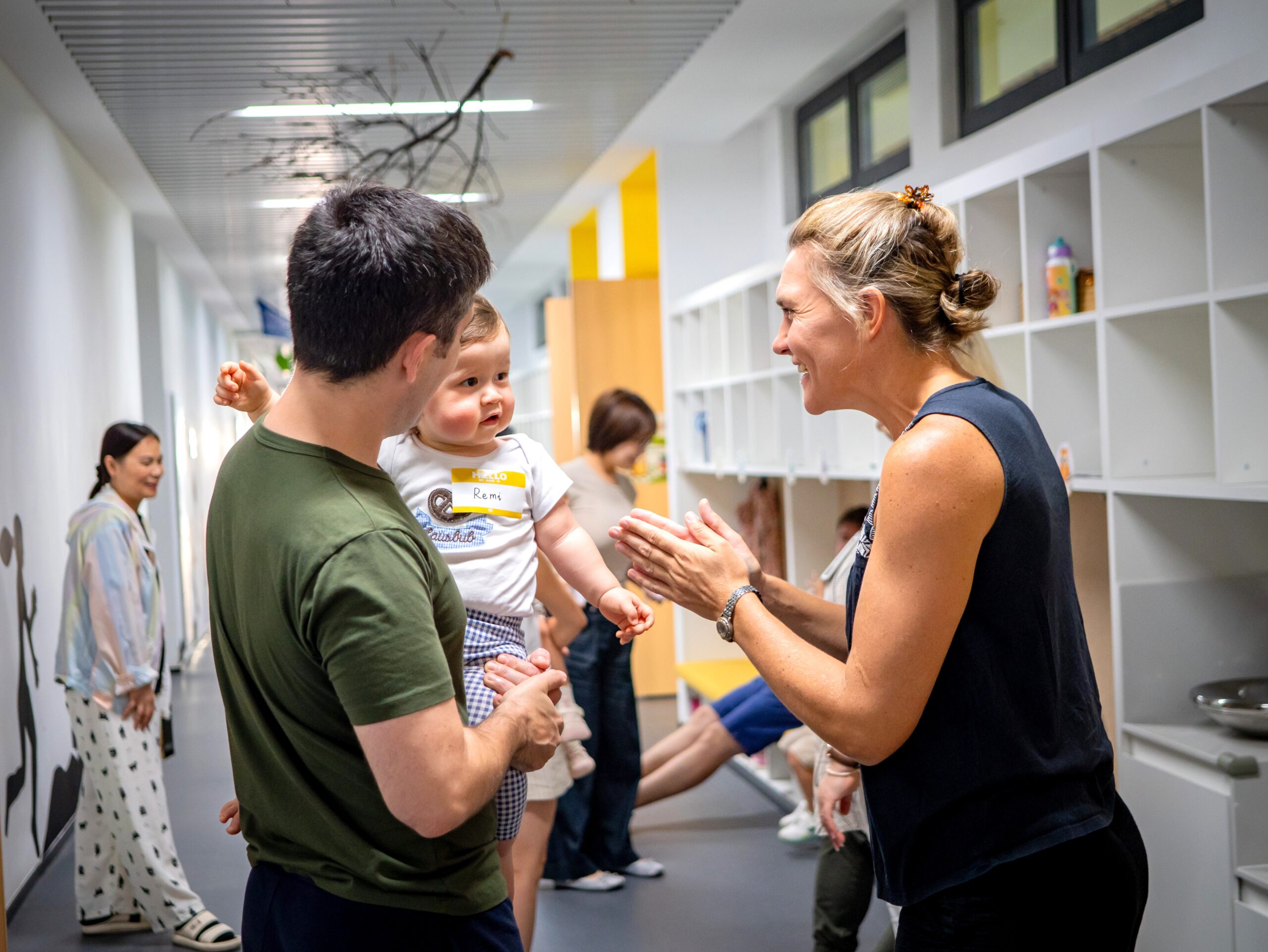
Each teacher consistently speaks their designated language with the children, providing a clear and reliable language model. This consistency helps children recognise the different languages and understand that different people may communicate with them in different languages.
Understanding is supported naturally, allowing children to develop a direct understanding of each language rather than relying on translation.
·The “Parrot Principle”
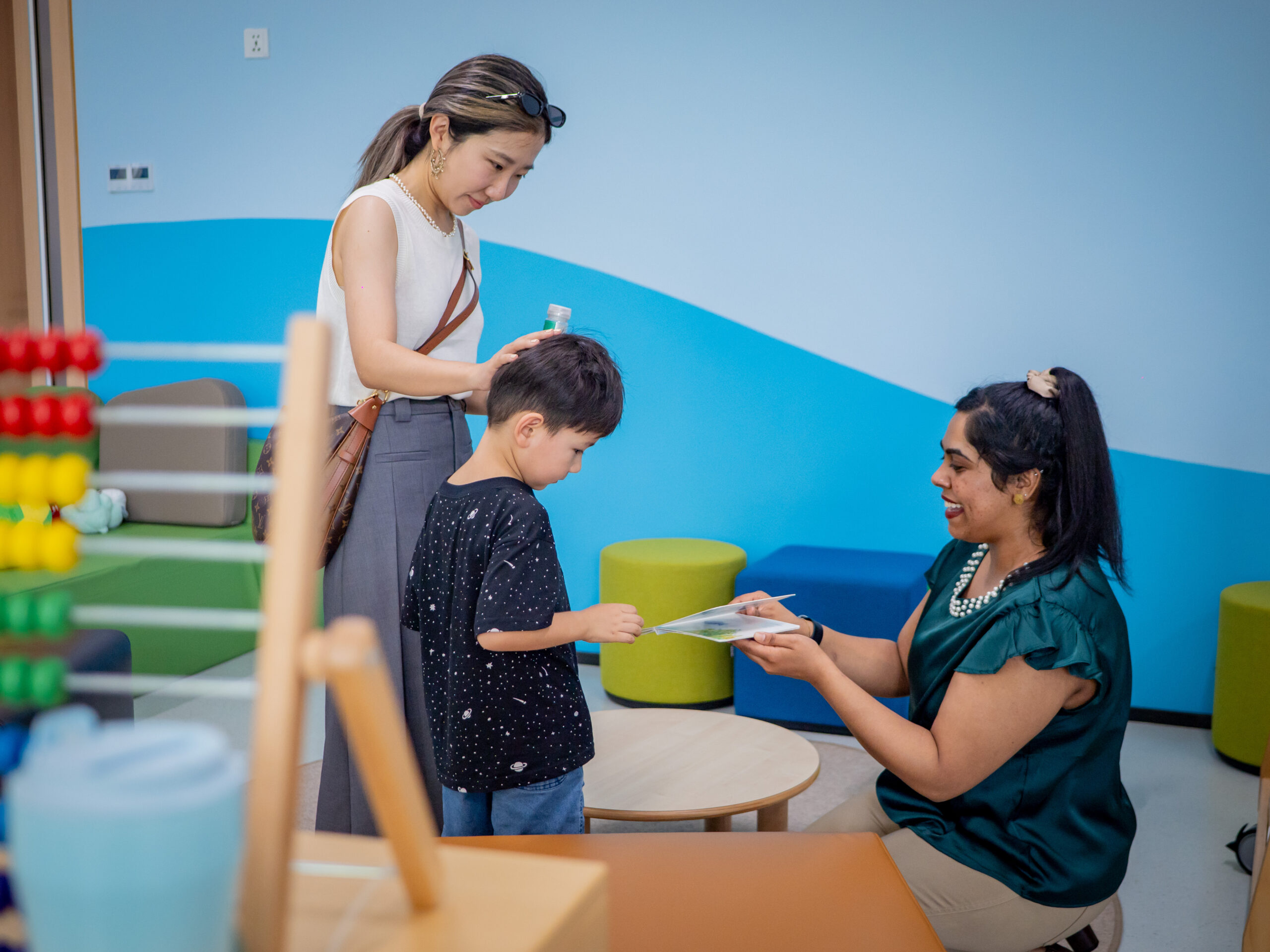
Everyday experiences are continuously accompanied by natural language in complete sentences. Following the “Parrot Principle,” teachers repeat and expand on what they and the children are doing, using every opportunity to provide meaningful language input.
For example, while a child puts on their shoes, the teacher names the items, describes the child’s actions, repeats relevant words and phrases, and adds simple questions or comments. The same language patterns are naturally repeated across similar situations and throughout the day.
Through this continuous exposure to meaningful language, children gradually become familiar with vocabulary, sentence structures and expressions and begin to use them independently.
·Language Learning Through Play and Projects
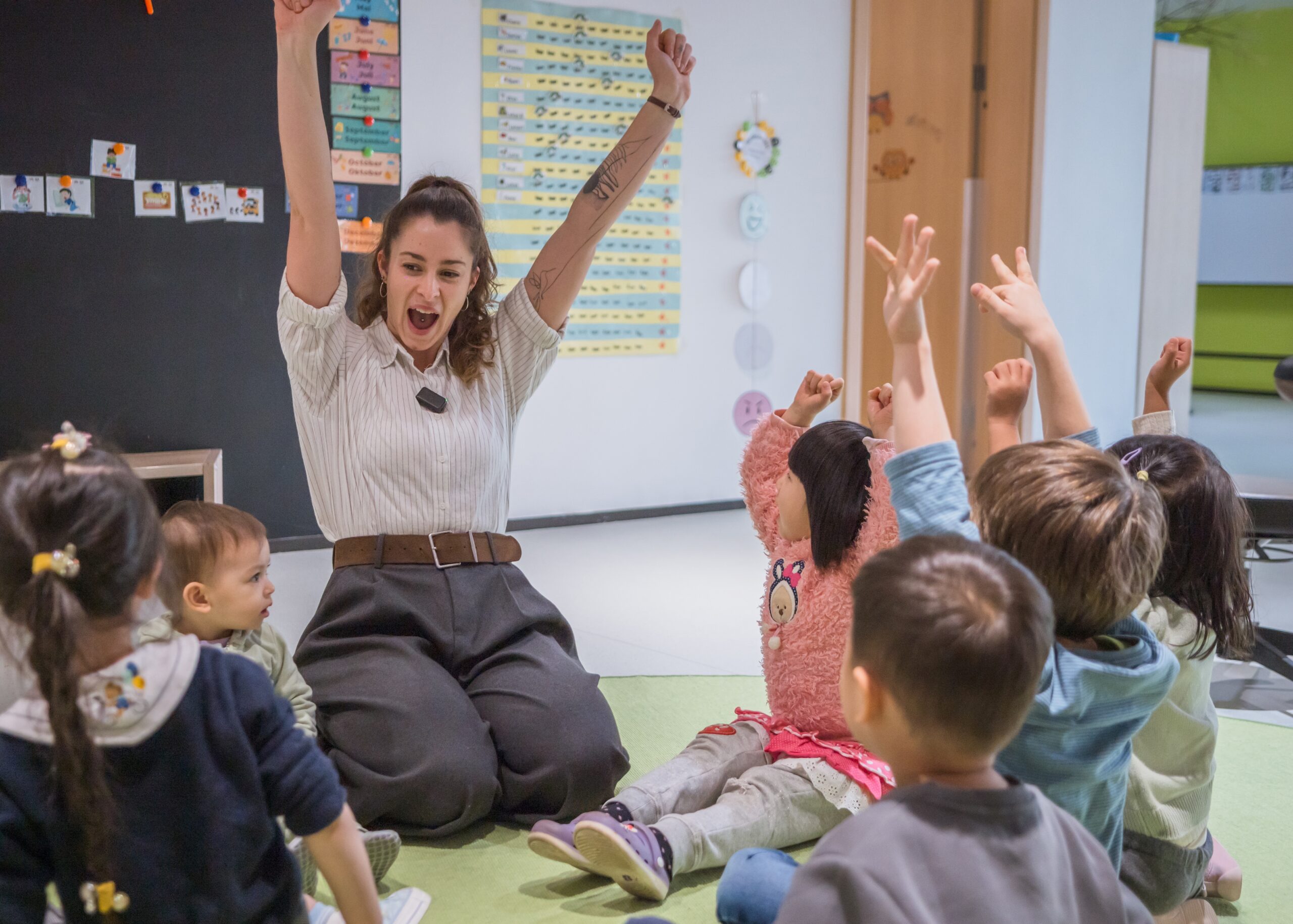
Language development is integrated into all areas of Kindergarten life. Children develop their communication skills while playing, exploring, creating, moving, investigating, and participating in projects.
This means that language development does not happen separately from learning. Language is one of the tools through which children explore and understand the world around them.
·Learning From One Another
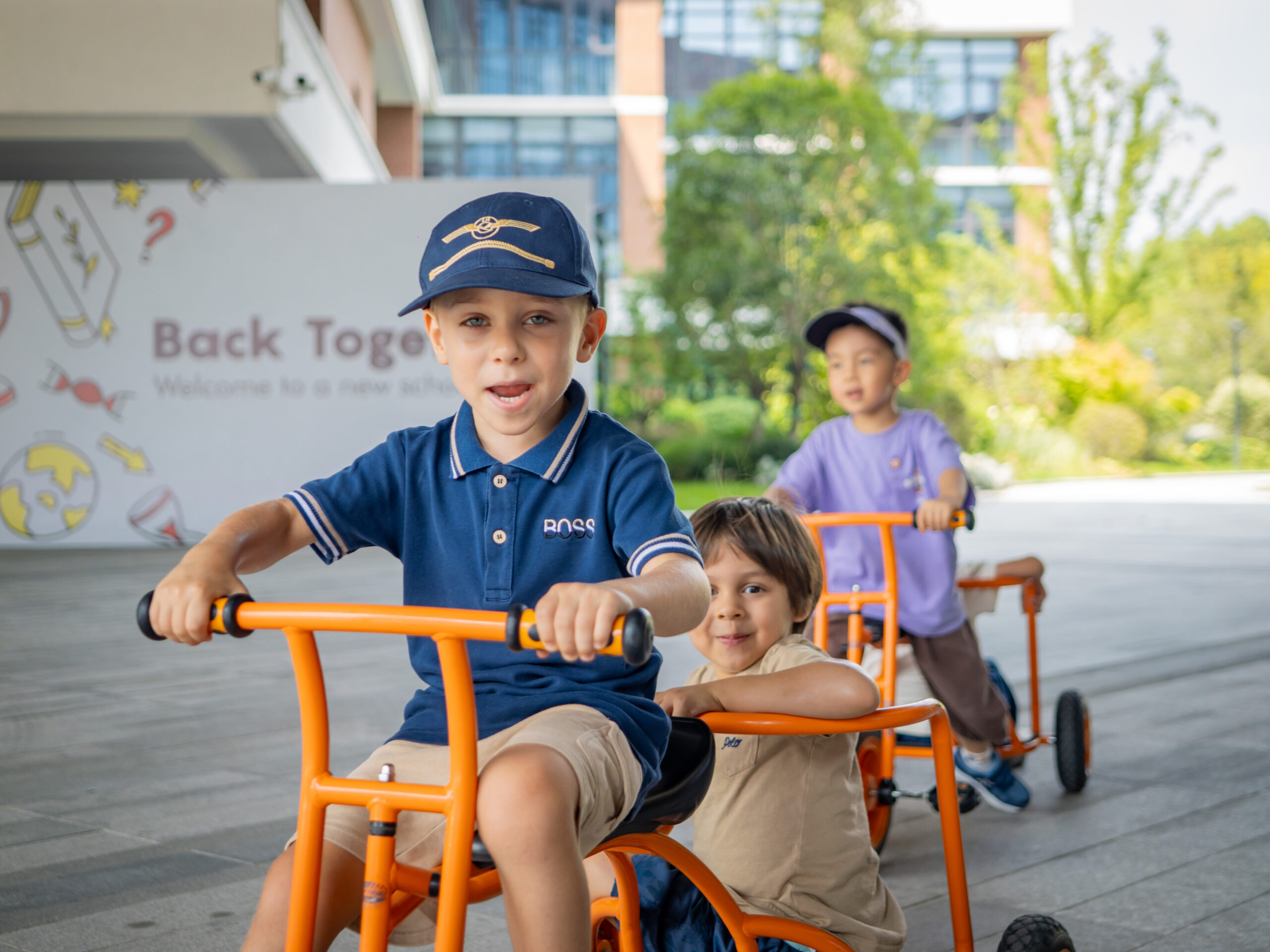
One of the strengths of our multilingual environment is that children learn not only from teachers, but also from one another.
Our community includes children with diverse linguistic backgrounds. They switch languages naturally to connect with friends, discovering varied ways to communicate and understand each other.
Mixed-age groups enrich this process. Younger children pick up advanced language from older peers. Older children learn to simplify expressions and explain ideas to be understood.
Through daily interactions, children build vocabulary and key communication skills: listening, interpreting and adapting language. Our multilingual, mixed-age setting lets children actively learn alongside and from one another.
Q4: About Extra Language Support
·How is it structured?
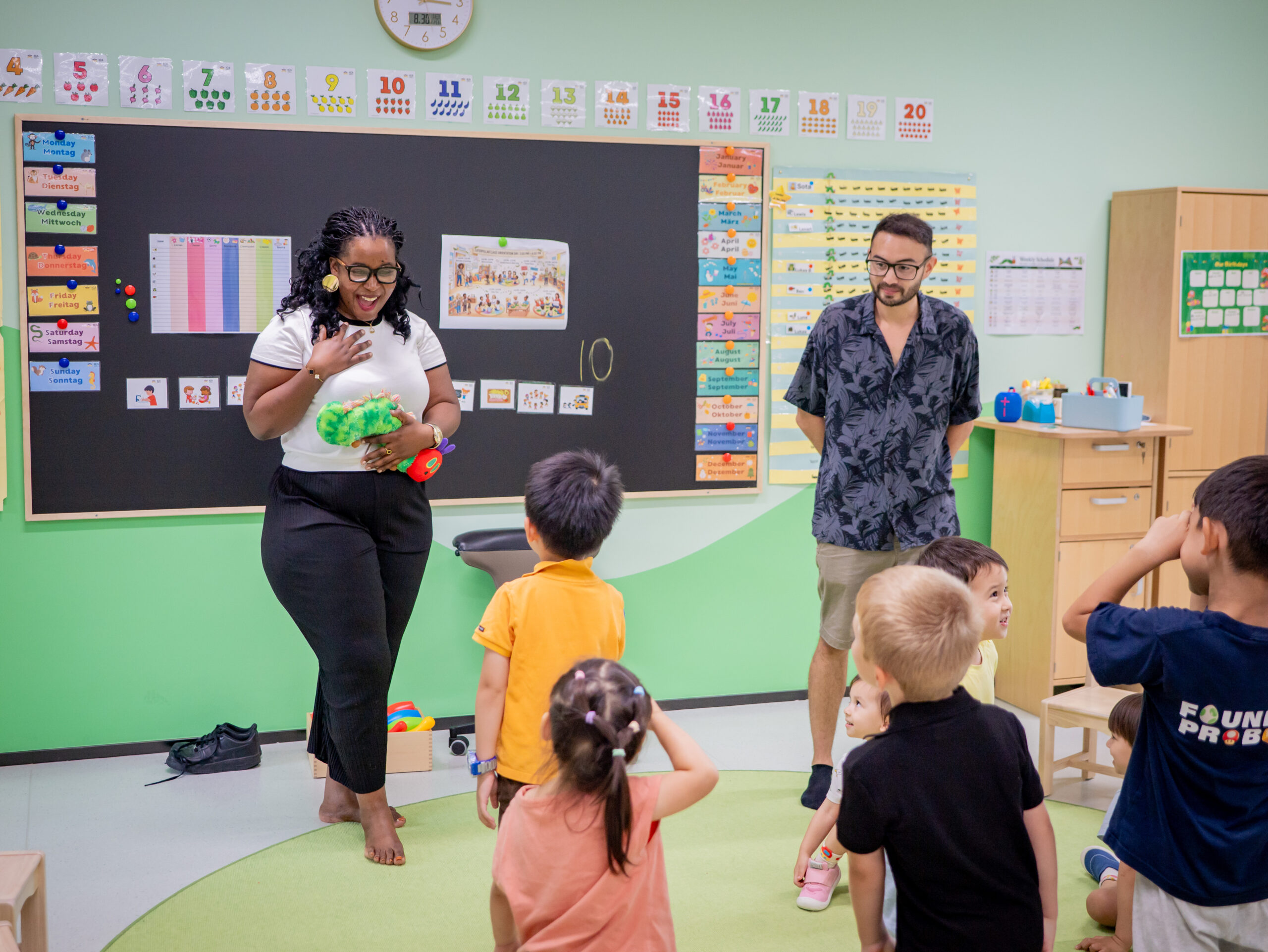
Language support complements rather than replaces the immersion approach. The sessions provide children with additional opportunities to build vocabulary, practise communication and develop confidence in German, English or Chinese, depending on their individual language needs. In Kindergarten, children receive two additional language-support sessions per week, which can be divided between different languages or focused on the same language.
For example, a child may attend one German and one English session, or both sessions in the same language. This allows educators and families to choose the combination that best supports the individual needs of the child and the family’s language priorities.
No.
The additional language support is included in the regular Kindergarten and Pre-Kindergarten programme and does not involve any additional fees for families.
It is part of our overall language concept and is provided as an additional support measure for children who may benefit from more focused opportunities to develop their language skills.